
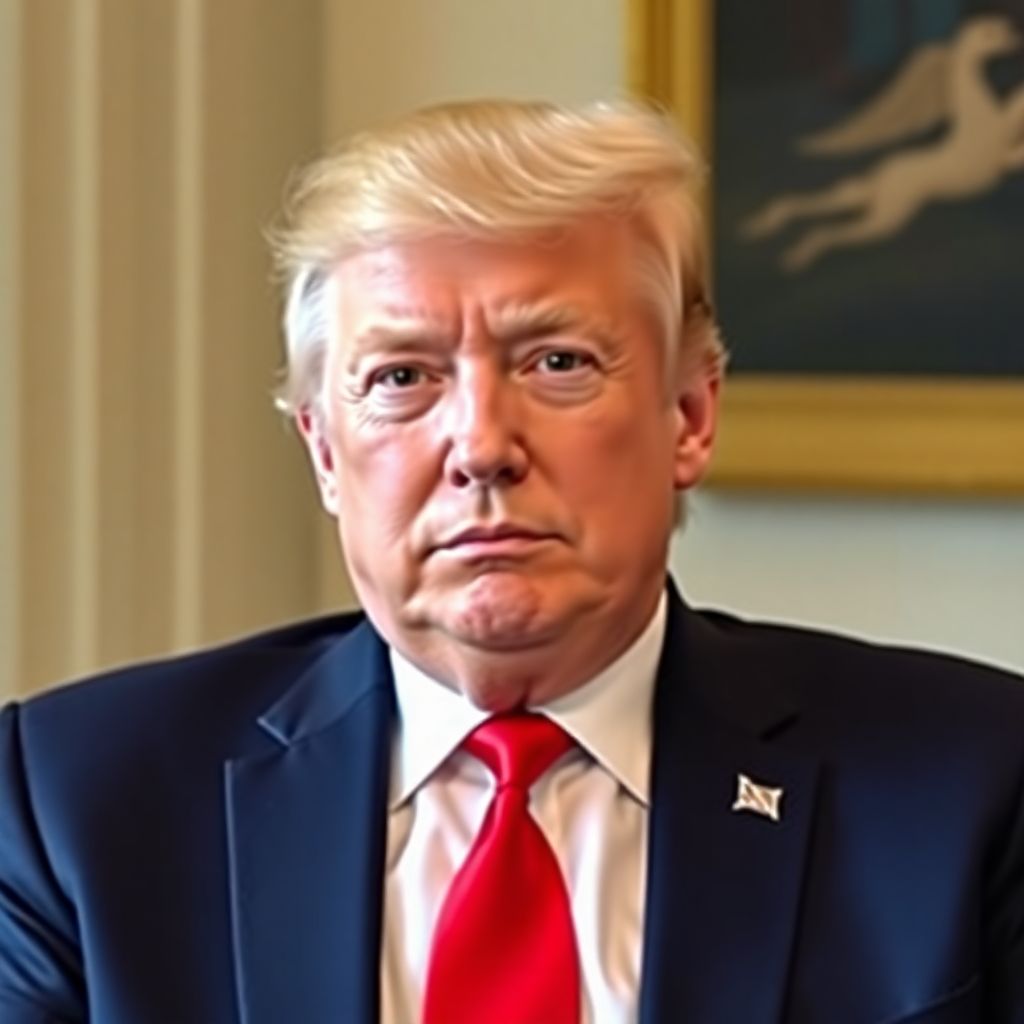
During a rare sit-down interview on 60 Minutes — his first in five years — former President Donald Trump commented on his controversial decision to pardon Binance founder Changpeng “CZ” Zhao, stating that he had no personal ties to the crypto executive. Trump maintained that the pardon was based on what he characterized as an unjust, politically motivated prosecution carried out under the Biden administration.
When pressed by journalist Norah O’Donnell about the rationale behind pardoning Zhao, who pleaded guilty in 2023 to failing to comply with anti-money laundering regulations, Trump responded candidly: “Are you ready? I don’t know him. I think he got something like a four-month sentence. I was told it was just another example of the Biden witch hunt against crypto.”
Zhao, the high-profile founder of Binance — one of the world’s largest cryptocurrency exchanges — was sentenced after admitting to lapses in Binance’s compliance with U.S. financial regulations. The case drew widespread attention due to Zhao’s prominence in the global digital asset industry and the scale of Binance’s operations. His sentence was seen by many as lenient, particularly given the severity of the charges.
Trump’s decision to pardon Zhao raised eyebrows not only because of the legal implications but also due to potential familial ties to the cryptocurrency industry. Reports emerged suggesting that members of Trump’s family had entered into business deals involving digital assets, prompting questions about whether the pardon could represent a conflict of interest.
However, Trump dismissed any such implications, emphasizing that he acted based on what he believed was a broader governmental overreach. “I was told he was targeted unfairly, like a lot of good people in crypto who are just trying to innovate,” Trump said, framing the pardon as part of a larger effort to push back against excessive regulatory enforcement in the tech and financial sectors.
Zhao’s legal troubles stemmed from a U.S. Department of Justice investigation that concluded Binance had failed to implement proper controls to prevent money laundering and terrorist financing. The exchange agreed to pay multi-billion-dollar penalties and overhaul its compliance protocols, while Zhao stepped down as CEO.
Despite his resignation, Zhao remains a significant figure in the crypto space. His influence and the scale of Binance’s operations continue to shape the global landscape of digital finance. The high-profile nature of his conviction made Trump’s pardon all the more notable, especially given the Biden administration’s more aggressive stance on crypto oversight.
Trump, who is seeking reelection, has increasingly positioned himself as a pro-crypto candidate, criticizing what he views as heavy-handed government interference in emerging technologies. His statements during the interview suggest he intends to align with the growing number of voters and investors who support digital assets and blockchain innovation.
The former president’s stance reflects a broader political divide on cryptocurrency regulation. While the Biden administration has taken steps to enforce existing financial laws more strictly in the crypto sector, Trump and other Republican figures have advocated for a more permissive regulatory environment to encourage innovation and economic growth.
In the wake of the pardon, critics have pointed to the importance of transparency and accountability in presidential pardons, especially when financial interests are involved. Ethics watchdogs have called for further scrutiny into whether Trump’s family had any financial dealings with Zhao or Binance that could have influenced the decision.
Nevertheless, Trump appeared unconcerned by these criticisms, repeating his belief that Zhao was treated unfairly and that the pardon was justified. “We don’t need government crushing innovation,” he said. “America should lead the world in new technologies, not punish the people who build them.”
Beyond the political fallout, the pardon has reignited debates over the future of cryptocurrency regulation in the United States. With major exchanges under increasing scrutiny and lawmakers divided on the right path forward, the issue is likely to remain central in upcoming elections.
Analysts suggest that Trump’s crypto-friendly rhetoric could resonate with younger voters and tech entrepreneurs who have grown frustrated with the current administration’s approach. At the same time, regulatory agencies have warned that lax oversight could expose markets to fraud, manipulation, and systemic risks.
Binance itself continues to operate globally, although with increased oversight and a commitment to improved compliance. The company has appointed new leadership and pledged to work more closely with regulators to rebuild trust.
As the cryptocurrency industry matures, the intersection of politics, regulation, and innovation is becoming increasingly complex. Trump’s pardon of Zhao may have been a calculated move to court the crypto community, but it also underscores the delicate balance policymakers must strike between fostering innovation and ensuring financial integrity.
Ultimately, the controversy surrounding Zhao’s pardon serves as a microcosm of the broader battle over the future of digital finance in America. With billions of dollars at stake and global competitiveness on the line, how U.S. leaders navigate this terrain will have lasting consequences for the economy and technological leadership.