
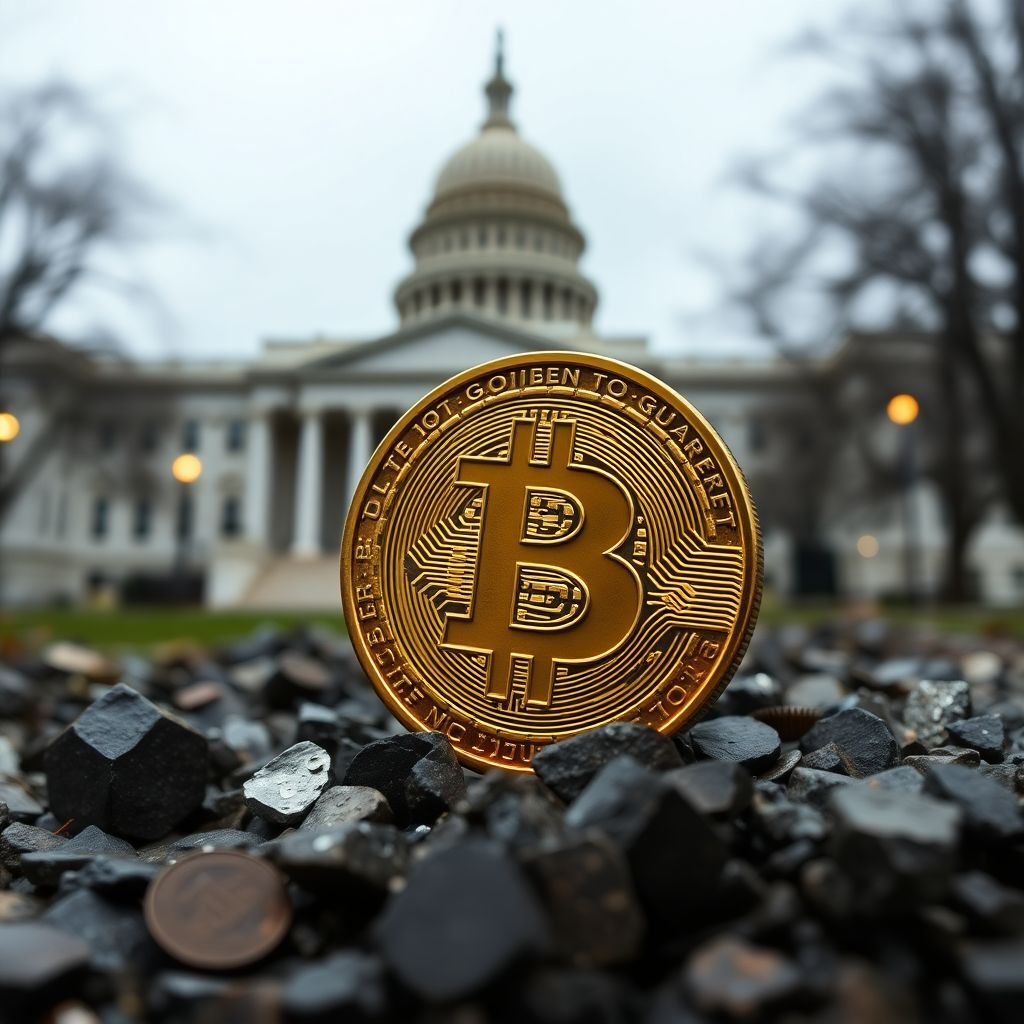
Title: Bitcoin Liquidity Dwindles Amid U.S. Government Shutdown, but Rebound May Follow
Bitcoin’s recent price turbulence has been closely tied to shifts in macroeconomic conditions, particularly the ongoing U.S. government shutdown. The flagship cryptocurrency has seen its value dip nearly 19% from its all-time high, largely due to a significant contraction in market liquidity. Analysts believe this downturn is temporary, and that a strong rebound could be on the horizon once capital returns to riskier assets.
The crux of the issue lies in the U.S. Treasury General Account (TGA), which has ballooned to $1 trillion. This surge has effectively drained around $700 billion from broader financial markets, including cryptocurrencies. Capital that would typically be channeled into risk assets like Bitcoin has instead been absorbed by the government’s efforts to maintain fiscal operations during the shutdown.
The scarcity of funds has also led to a spike in the usage of the Standing Repo Facility (SRF), signaling acute stress in short-term funding markets. This shift has intensified the liquidity crunch, impacting both institutional and retail investor behavior. As a result, Bitcoin’s daily trading volumes have diminished, and volatility has increased.
At present, Bitcoin is hovering around $102,600 — a 3.3% drop within just 24 hours. Over the past two weeks, the cryptocurrency has shed more than 10% of its value. This downturn reflects a broader risk-off sentiment among investors, who are seeking safer, more liquid assets amid the uncertainty surrounding government operations.
Despite the recent dip, market analysts remain optimistic. Many view the current conditions as a temporary disruption rather than a structural decline. As government operations resume and liquidity conditions ease, Bitcoin is expected to benefit from a renewed inflow of capital. Analysts predict that a significant rally could follow, driven by both fundamental strength and renewed investor confidence.
In addition to macroeconomic factors, on-chain data suggests that long-term holders are largely unfazed by the current dip. Wallets holding Bitcoin for over a year have shown minimal movement, indicating that seasoned investors view the current downturn as a buying opportunity rather than a cause for panic.
Furthermore, institutional interest in Bitcoin remains intact, with several large funds and companies maintaining or even increasing their crypto exposure during the market correction. This behavior suggests confidence in Bitcoin’s long-term value proposition, despite short-term headwinds.
Another factor that could influence Bitcoin’s recovery is the broader trend of de-dollarization and growing interest in decentralized finance. As traditional financial systems falter under political and fiscal pressures, decentralized assets like Bitcoin may gain renewed appeal as alternative stores of value and mediums of exchange.
It’s also worth noting that the halving event, scheduled for early next year, could serve as a catalyst for Bitcoin’s next bullish phase. Historically, Bitcoin halvings — which reduce the rate at which new coins are created — have been followed by significant price rallies. Investors anticipating this event may view the current dip as a strategic entry point.
Moreover, developments in global regulatory frameworks could play a key role in shaping Bitcoin’s trajectory. As nations move toward clearer crypto policies, institutional adoption may accelerate, further supporting the asset’s valuation.
In conclusion, while the U.S. government shutdown has undeniably strained Bitcoin liquidity and contributed to a sharp price decline, the underlying fundamentals of the cryptocurrency remain strong. Market participants are closely watching for signs of stabilization in the Treasury markets and a return of risk appetite. When that happens, Bitcoin could be well-positioned for a robust recovery, reinforcing its status as a resilient digital asset in turbulent times.