
Attorney for Binance Founder Refutes Bribery Claims Following CZ’s Presidential Pardon
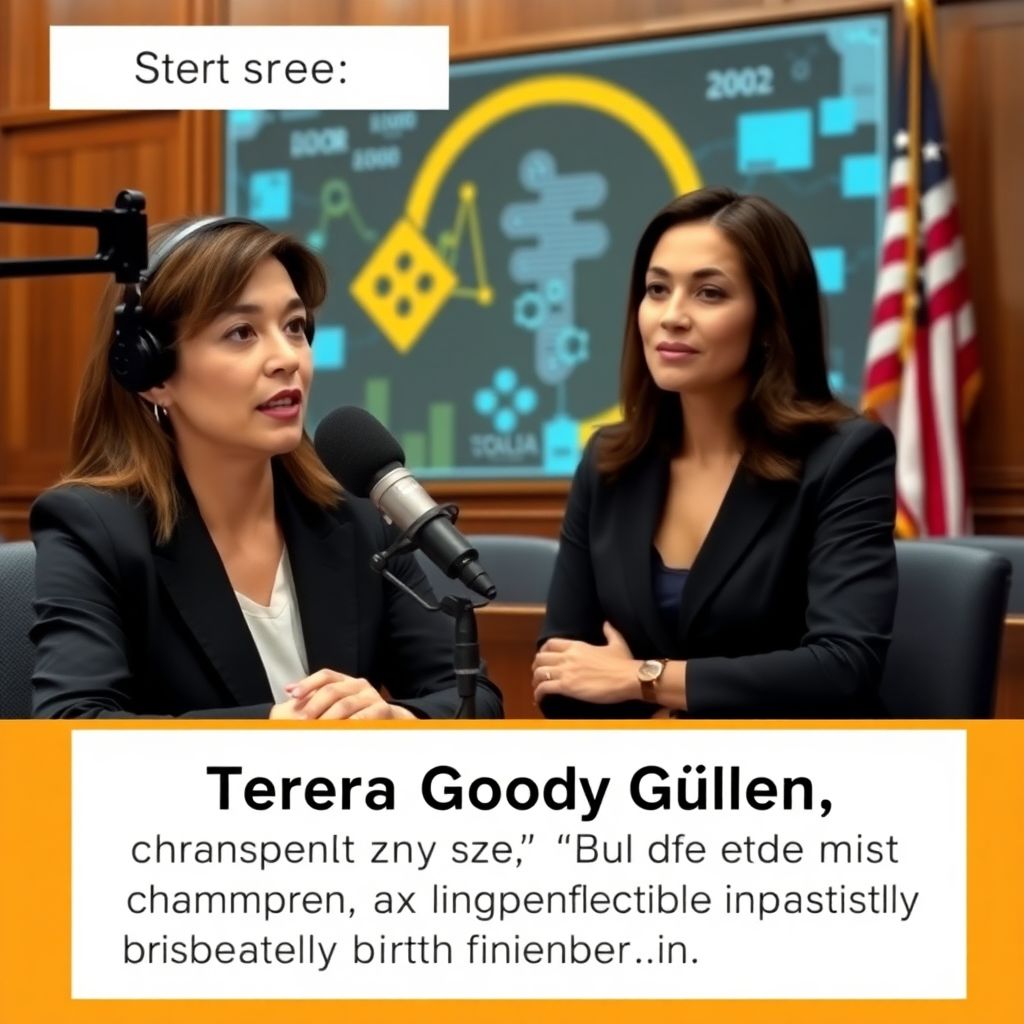
Teresa Goody Guillén, legal counsel for Binance founder Changpeng Zhao (widely known as CZ), has firmly dismissed allegations that Zhao’s recent presidential pardon was the result of a “pay-to-play” scheme. In a recent podcast appearance, Guillén criticized what she described as speculative and unfounded media narratives that attempted to link Zhao’s pardon to political dealings and unsubstantiated associations.
Addressing the controversy directly, Guillén emphasized that Zhao’s legal troubles stemmed from regulatory compliance issues — specifically, Binance’s failure to establish sufficient anti-money laundering (AML) programs — rather than from any involvement in actual money laundering. “This is a regulatory matter, not a criminal enterprise,” she stated firmly. “There was no money laundering. CZ should never have been prosecuted in the first place.”
The attorney labeled the corruption allegations as a “conflation of misinformation and baseless assumptions,” blaming a cycle of media echo chambers that recycle unverified claims. “It’s often just one outlet citing another without any original verification,” she said. “When articles reference ‘sources close to someone,’ that’s often code for unreliable information.”
Guillén also rejected any insinuation that World Liberty Financial — a company reportedly tied to the issuance of the USD-1 stablecoin on the Binance Smart Chain — was connected to Donald Trump or played a role in obtaining the pardon. “There’s no evidence World Liberty Financial is ‘Trump’s company’,” she explained. “And listing a coin on the Binance chain doesn’t imply a close relationship with Binance or CZ. It’s like putting a product on Craigslist — it doesn’t mean you have a personal relationship with the platform’s founder.”
USD-1, she noted, is available across multiple blockchain networks and listed on various exchanges, distancing Binance and Zhao from any exclusive affiliation with the stablecoin or its issuer.
Guillén also pointed to other crypto industry figures who have received presidential pardons to illustrate that Zhao’s pardon wasn’t an isolated or extraordinary case. She referenced Arthur Hayes, former CEO of BitMEX, who was also pardoned, along with the BitMEX platform itself. Another example was Ross Ulbricht, the controversial founder of darknet marketplace Silk Road. “Pardons have been part of our legal tradition since the founding of this country — even before that, when we followed English law,” she said, highlighting the historical precedent of issuing pardons to both individuals and entities, for both civil and criminal matters.
When questioned about rumors that Zhao may have secretly funneled Bitcoin to Donald Trump in exchange for clemency, Guillén categorically denied the possibility. “I know CZ personally. That’s just not who he is. The idea is absurd.”
She also addressed statements made by Senator Elizabeth Warren, who publicly claimed that Zhao had been convicted of crimes he hadn’t been charged with. Warren also suggested a quid pro quo was involved in the pardon. “It’s irresponsible and legally dangerous to accuse someone of crimes they haven’t committed,” Guillén countered. “Public officials have a duty to be accurate and fair when making such serious allegations.”
Despite the pardon, CZ will not be returning to an executive role at Binance. The exchange continues to operate under strict scrutiny from U.S. regulatory bodies, including the Department of Justice (DOJ), the Commodity Futures Trading Commission (CFTC), the Financial Crimes Enforcement Network (FinCEN), and the Office of Foreign Assets Control (OFAC). Binance remains barred from directly serving U.S. customers and is subject to oversight by a Treasury Department-appointed monitor to ensure ongoing compliance with U.S. laws.
The broader implications of CZ’s case and the presidential pardon have stirred debate across the crypto industry and regulatory circles. While critics argue that such high-profile pardons may undermine trust in the legal system, others believe they offer a necessary corrective to overreach by regulators in an evolving industry.
In the aftermath of his legal issues, CZ has remained largely out of the public eye, focusing instead on personal ventures and philanthropic projects. Binance, meanwhile, is undergoing a structural transformation as it attempts to rebuild its relationships with global regulators and reposition itself as a compliant player in the digital finance ecosystem.
Industry experts note that the scrutiny Binance faces is emblematic of the broader challenges facing crypto exchanges. As global regulatory frameworks catch up with the rapid expansion of digital assets, companies must adopt more robust compliance protocols and prioritize transparency.
The controversy surrounding Zhao’s pardon has also reignited discussions about the influence of political lobbying in the crypto sector. While Guillén’s statements strongly deny any inappropriate connections, the growing intersection between digital assets and government policy suggests a need for clearer boundaries and disclosures.
Finally, the case highlights the fragile balance between innovation and regulation in the crypto world. As blockchain technology continues to disrupt traditional financial systems, it remains vital for both regulators and entrepreneurs to collaborate in shaping a legal environment that fosters growth without compromising accountability.
In conclusion, while the media storm surrounding CZ’s pardon has fueled speculation and political debate, his legal team remains adamant that the accusations lack merit. Guillén’s defense not only aims to clear her client’s name but also serves as a broader critique of how misinformation can distort public understanding in high-profile legal and political matters.