
Why TreklyGo Crypto Trails Are a Smart Starting Point

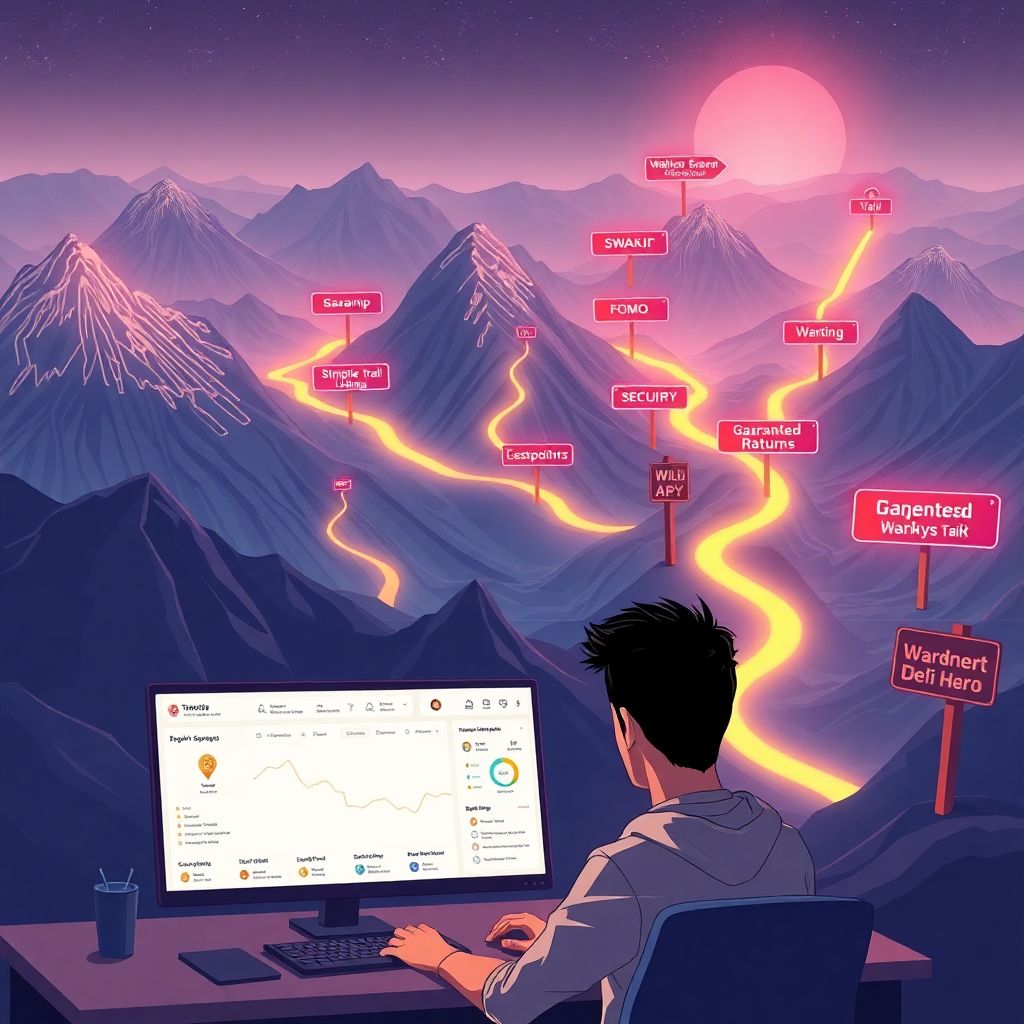
If DeFi looks like a jungle of jargon and weird token names, TreklyGo Crypto Trails turns it into a hiking map with clear routes.
Instead of dropping you into a trading terminal and wishing you luck, it breaks the journey from “no clue” to “I know what I’m doing” into simple trails with checkpoints, tasks, and rewards.
In other words, you’re not just reading theory — you’re clicking real buttons, using real wallets, and touching real DeFi tools in a controlled way. That’s exactly how beginners should start.
Core Idea: Learn by Doing, Not Just Reading
TreklyGo is built around a simple principle: every lesson ends with an action.
You read a short explainer, then you:
– Connect a wallet in test mode
– Swap a token with tiny amounts
– Try staking or lending
– Track what changed in your portfolio
Experts in DeFi education consistently repeat one point: you don’t understand DeFi until you’ve pressed the buttons yourself with skin in the game (even if it’s a few dollars). TreklyGo leans into that.
Step 1: Set Up Your Basecamp — Wallet, Security, Mindset
Before you touch any DeFi protocol on TreklyGo Crypto Trails, you need a clean, safe setup. Think of this as packing for the hike.
1. Create a non-custodial wallet
– Use MetaMask, Rabby, or another reputable wallet.
– Write down your seed phrase on paper (not in screenshots, notes apps, or email).
– Store it offline, in at least two separate, safe locations.
2. Separate “training” funds
– Start with a small amount you’re ready to lose — not your rent money.
– Experts usually advise 0.5–2% of your total net worth for “learning capital” at the start.
3. Turn on basic protections
– Use a dedicated browser profile for crypto.
– Install a phishing protection extension.
– Bookmark only the official TreklyGo site and official DeFi apps you use.
4. Set your learning goals
– “I want to understand how swaps work.”
– “I want to earn passive yield safely.”
– “I want to read data on a block explorer without getting lost.”
Clear goals will help you choose the right trails inside TreklyGo.
Step 2: Choose a Beginner Trail, Not a Cliff
When you open TreklyGo Crypto Trails, don’t rush to the most exotic trail with triple-digit yields. Start with the fundamentals trail.
Look for routes that cover:
– Wallet connection and network switching
– Simple token swaps (e.g., stablecoin to ETH)
– Basic liquidity provision and unstaking
– Gas fees: what they are, how to optimize them
The goal here is to quietly answer the big question “how to start investing in defi crypto” without scaring yourself away. You’re not aiming to get rich on the first day; you’re aiming not to blow up.
Expert Tip: Treat Your First Week Like a Sandbox
Seasoned DeFi users recommend a strict rule for beginners:
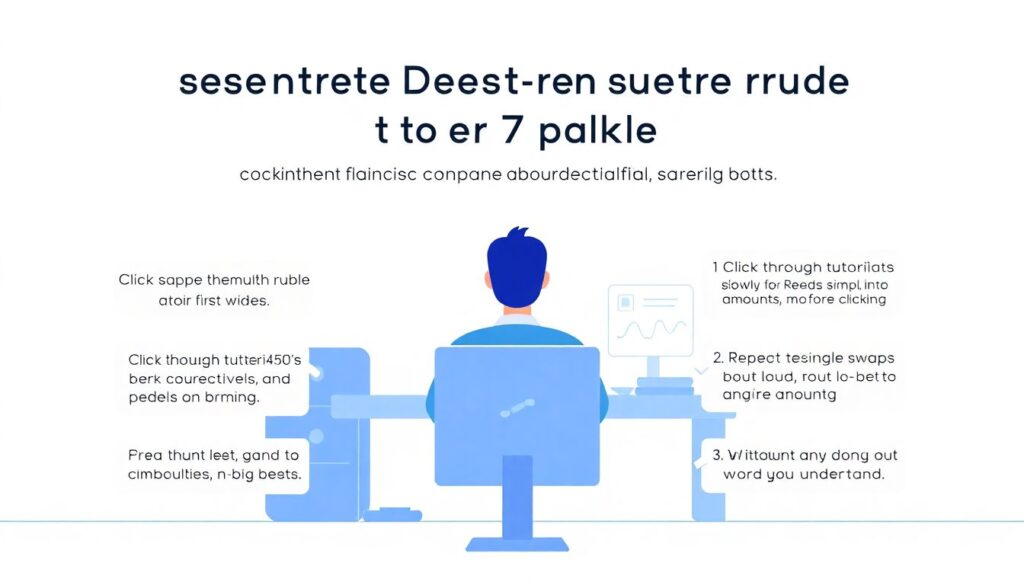
First 7 days: no chasing yield, no FOMO moves, no big bets.
Use that week to:
– Click through TreklyGo’s tutorials slowly
– Repeat simple swaps with tiny amounts
– Read every confirmation window out loud before clicking
– Write down any word or acronym you don’t understand and look it up later
This is boring on purpose. Boring is safe. Safety keeps you in the game long enough to actually learn.
Step 3: Master the Basics — Swaps, Fees, and Slippage
Once you’re on your first TreklyGo trail, the platform will guide you through a simple token swap. Here’s how to do it like someone who knows what they’re doing:
– Confirm the network
Make sure your wallet is on the correct chain (e.g., Ethereum, Arbitrum, Polygon).
Wrong chain = failed transactions or lost funds.
– Start with stablecoins
Swapping from a stablecoin (like USDC) to a major asset (like ETH) is simpler and less volatile.
– Check slippage settings
For normal tokens, keep slippage low (0.1–0.5%) at first.
High slippage is how many beginners accidentally overpay.
– Watch the gas fee
If the gas is more than 2–3% of the amount you’re swapping, reduce your test size or wait for lower network load.
Many experts say that the best defi platforms for beginners are the ones that explain these things clearly on-screen. TreklyGo earns points here by making you pause and confirm what you’re actually doing instead of letting you blindly click “Confirm.”
Step 4: How to Buy DeFi Tokens Without Bleeding on Fees
You don’t need to spend a fortune on fees to learn. TreklyGo can guide you toward more efficient settings and chains.
When you want to buy defi tokens with low fees, use this framework:
– Prefer L2 networks (Arbitrum, Optimism, Base, etc.) over mainnet Ethereum for small transactions.
– Use decentralized exchanges (DEXes) with good liquidity where TreklyGo points you.
– Avoid swapping tiny amounts too often; batch actions when possible.
– Check price impact before confirming — if it’s more than 1–2%, reconsider the trade size or token choice.
Expert recommendation:
Start on a chain where:
– Gas is cheap
– Liquidity is strong
– The user interface is simple
That way you’re paying to learn mechanics, not donating everything to miners and validators.
Step 5: Your First Passive Income — Yield, Staking, and Risk Reality
After you’ve done a few swaps, TreklyGo Crypto Trails will nudge you toward yield activities. That’s where it gets interesting — and risky.
Here’s how to not get wrecked:
– Start with single-asset staking or lending
Lending stablecoins or staking a major token is usually easier to understand than complex liquidity pools.
– Avoid wild APYs at the beginning
Expert rule of thumb: if the yield looks absurd, the risk is absurd too.
Focus instead on learning how deposits, rewards, and withdrawals actually work.
– Use platform reputation as a filter
When exploring the top yield farming and staking platforms referenced inside TreklyGo, always check:
– Audits (who audited the contracts?)
– Time in market (has it been around for more than a hype cycle?)
– TVL (total value locked — not perfect, but a useful indicator)
Don’t chase the maximum yield; chase survivability.
Step 6: A Simple, Actionable Trading Routine
To avoid emotional decisions, you need a small ritual. TreklyGo can help you build it with simple, repeated tasks.
Before every transaction, follow this mini-checklist:
– What’s my goal with this move? (learn, test, earn, hedge)
– What’s my max loss if everything goes wrong?
– Did I double-check the URL and contract address?
– Is the amount small enough that I won’t panic if it goes bad?
This structure is more important than any individual trade. Professionals are process-driven, not emotion-driven.
Step 7: A True Step-by-Step DeFi Trading Guide for Beginners (Within TreklyGo)
Let’s combine everything into a simple step by step defi trading guide for beginners that aligns with how TreklyGo works.
1. Create and secure your wallet
Write down your seed phrase, activate browser security, keep this wallet for learning only.
2. Bridge or deposit small funds
Transfer a modest amount of stablecoins to the network TreklyGo suggests to start with.
3. Complete the basic swap trail
Use TreklyGo’s guided tasks to:
– Connect your wallet
– Swap a tiny amount of stablecoins for a major token
– Confirm the transaction on a block explorer
4. Track your portfolio
Open your wallet and verify balances changed as expected.
Make a note of gas used and time for confirmation.
5. Try a simple staking or lending trail
Stake a small amount or lend it via a recommended, battle-tested protocol.
Learn where rewards appear and how to claim them.
6. Unstake or withdraw
Practice exiting your position.
Many beginners only learn how to “get in” and freeze when it’s time to “get out.”
7. Review and journal
After each trail, write down:
– What you did
– What screens you saw
– What confused you
– What you’ll do differently next time
This repetition is what turns you from “Zero” to someone who actually understands what’s happening under the hood.
How to Pick Platforms Beyond TreklyGo’s Suggestions
TreklyGo will point you toward reliable, integrated tools, but you should also learn how to evaluate platforms yourself.
Experts typically check:
– Security posture
– Are contracts audited? By which firms?
– Any past exploits? How were they handled?
– Transparency
– Is the team public or pseudonymous?
– Is documentation clear and detailed?
– User experience
– Are risks clearly stated?
– Are fees visible before you confirm?
Some of the best defi platforms for beginners share the same traits: they explain, they don’t hide complexity, and they encourage small, safe experiments first.
Red Flags: When to Turn Around on the Trail
As you explore more advanced TreklyGo routes, you’ll bump into offers and tokens outside the platform’s curated list. Be picky.
Treat these as warning signs:
– Guaranteed returns with no clear mechanism
– No documentation, only hype in social channels
– Anonymous promoters pushing urgency (“mint ends in 5 minutes!”)
– Smart contracts that require unlimited approvals for sketchy tokens
If something feels off, veterans will tell you: walking away is a win.
Expert Micro-Playbook: Growing Safely from $100 to “Serious”
Here’s how many experienced DeFi users recommend scaling up:
– Phase 1: $50–100 — pure learning
– Swap, stake, lend, withdraw.
– Assume this money is tuition, not investment.
– Phase 2: $100–500 — structured experiments
– Compare two different platforms doing the same thing.
– Track yields, fees, UX, and your comfort.
– Phase 3: Above $500 — deliberate allocations
– Decide what % is for low-risk yield, what % is for experimentation.
– Use TreklyGo primarily to discover, then research independently before committing larger amounts.
The core expert advice:
Never let your curiosity outrun your risk controls.
Making TreklyGo Your Daily DeFi Coach
Use TreklyGo Crypto Trails not as a one-time tutorial, but as a daily or weekly guide:
– Do one trail or micro-task per session
– Repeat complex tasks (like adding and removing liquidity) until they feel routine
– Revisit earlier trails a month later — you’ll catch details you missed the first time
DeFi skill is built exactly like fitness: small, consistent repetitions, not one heroic session.
From Zero to DeFi Hero: What “Hero” Really Means
In this context, being a “DeFi Hero” doesn’t mean timing the market perfectly or hitting a 100x token. It means:
– You understand what each transaction does
– You know how to enter and exit positions calmly
– You can evaluate risk, not just chase returns
– You can explain your strategy in plain language
TreklyGo Crypto Trails gives you the map, checkpoints, and safe practice grounds. Your job is to move slowly, question everything, and treat every click as a lesson.
Follow that approach, and your “zero” phase ends much sooner than you think — not with luck, but with real, transferable DeFi skill.