
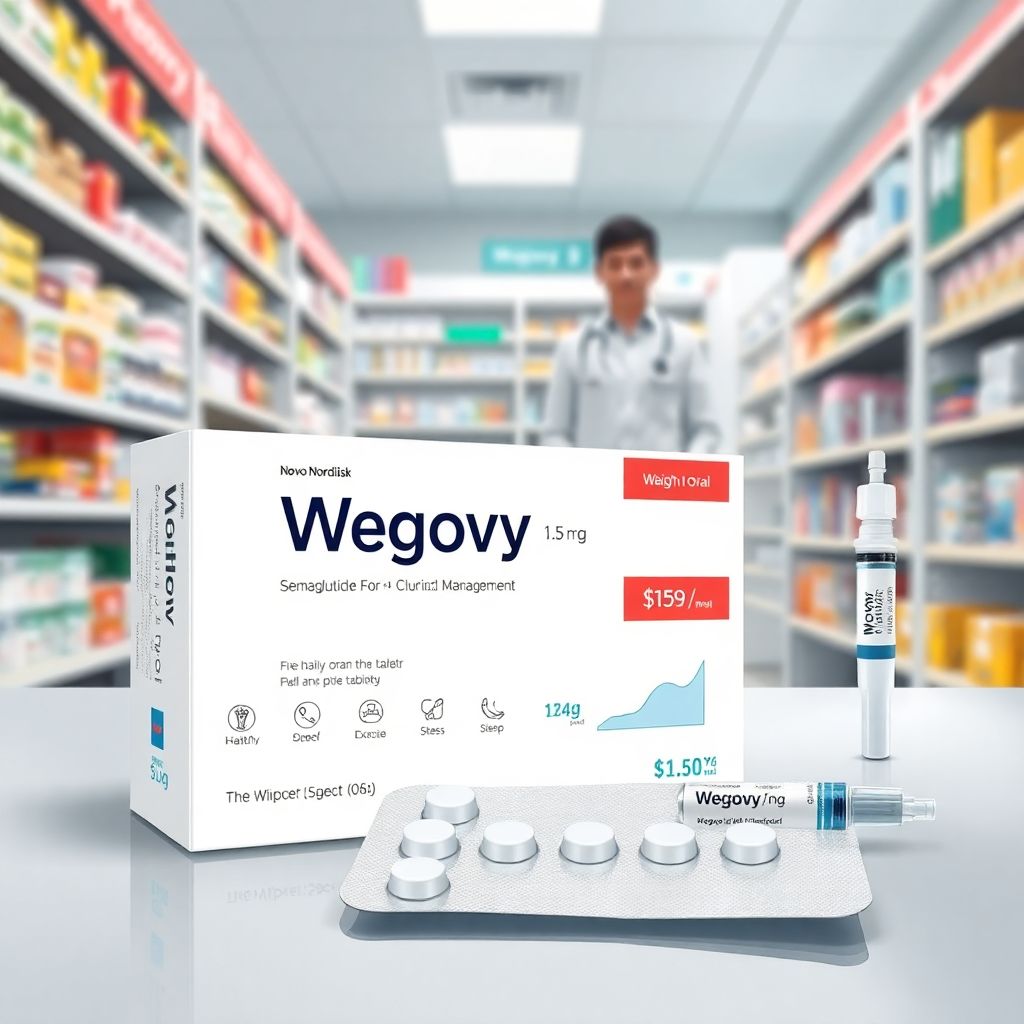
Novo Nordisk has pushed the GLP-1 weight-loss race into a new phase, rolling out a daily Wegovy pill in U.S. pharmacies with a list price starting at $149 per month for a 1.5 mg dose. The drug, an oral formulation of semaglutide, is the first pill in the GLP-1 class to receive FDA approval specifically for chronic weight management in the United States, a field until now dominated by weekly injections.
The move gives patients an alternative to injectable medications like the original Wegovy shot, which helped ignite unprecedented demand for GLP-1 therapies marketed for both obesity and diabetes. By shifting the same active ingredient into a tablet that can be taken once a day, Novo Nordisk is betting that ease of use and a lower entry price will pull in millions of people who were unwilling, unable, or simply reluctant to use needles.
According to the company, the Wegovy pill is now “broadly available” nationwide after securing FDA clearance late last month. The launch marks a strategic expansion of Novo Nordisk’s weight-management portfolio, which already includes injectable semaglutide products used by patients and widely discussed by investors, employers, and health insurers.
GLP-1 drugs (short for glucagon-like peptide-1 receptor agonists) work by mimicking a hormone that helps regulate appetite, blood sugar, and digestion. They slow stomach emptying, enhance feelings of fullness, and can reduce food cravings, leading to meaningful weight loss for many patients when combined with lifestyle changes. Until now, mainstream GLP-1 options for weight reduction in the U.S. have almost entirely required injection, usually once a week.
By offering an oral version, Novo Nordisk is directly addressing one of the largest psychological and practical barriers to treatment: injections. For many people with excess weight or obesity, the idea of giving themselves a weekly shot is enough to delay or avoid therapy altogether, even when they are clinically eligible. A pill, taken as part of a morning routine, is likely to feel more familiar and less intimidating.
Ed Cinca, a senior vice president at Novo Nordisk, framed the launch around this gap in care, noting that a significant number of people want to tackle their weight but have “been waiting on the sidelines” for a medicine that feels right for them. The company is positioning the Wegovy pill as that on-ramp: a more approachable, flexible option that fits more easily into daily life.
The headline price of $149 per month for the 1.5 mg strength is also notable in a market criticized for sky‑high costs. Injectable Wegovy and competing drugs can run well over $1,000 a month at list price before discounts or insurance coverage. While real-world costs vary significantly depending on insurance, employer benefits, and discount programs, the lower sticker price of the pill is likely to resonate with policymakers and patients concerned about affordability.
At the same time, the pill is not necessarily a budget option for everyone. Coverage policies for weight-loss medications are still patchy across commercial plans, and many public programs are restrictive or exclude obesity drugs entirely. Whether insurers will treat the Wegovy pill more favorably than the injectable version remains an open question, and that will go a long way in determining how widely it is adopted in everyday practice.
Clinically, the oral Wegovy version is designed to deliver similar benefits to the injectable form but with a different dosing pattern. Patients take it daily, and typical treatment involves titrating the dose over time to manage tolerability and side effects. As with other semaglutide-based therapies, common adverse reactions can include nausea, vomiting, diarrhea, constipation, and abdominal discomfort, particularly as the dose is increased. Doctors usually advise patients to eat smaller meals and avoid high-fat, heavy foods during dose escalation.
For doctors and obesity specialists, an oral GLP-1 option may change how treatment plans are structured. Some may start appropriate patients directly on the pill, especially those who are injection-averse. Others may use the pill alongside nutritional counseling and exercise programs, or as a step before considering injectable therapy. The daily dosing also raises questions about adherence: some patients may find a weekly injection easier to remember; others are more consistent with a daily pill that blends into routine.
The broader healthcare system will be watching the rollout closely. Employers worried about the spiraling cost of obesity-related care are increasingly examining GLP-1 coverage as part of their benefits strategies. A lower-priced oral treatment could be more palatable for benefit managers who were hesitant to open the door to large numbers of high-cost injectable prescriptions. If the pill can deliver comparable clinical outcomes at a lower net cost, it may accelerate coverage decisions in favor of GLP-1s.
From a public health perspective, the arrival of the Wegovy pill underscores how rapidly obesity treatment is moving from the margins of medicine to a central focus. For decades, weight management was dominated by lifestyle advice, short-term diet fads, and a handful of drugs with limited efficacy or concerning side effects. GLP-1 medications have changed expectations, demonstrating double-digit percentage weight loss for many patients and reshaping the conversation about what “treating obesity” looks like.
However, experts warn that no pill, including Wegovy, is a magic solution. Long-term weight management still depends on sustained changes in diet, physical activity, sleep, and stress management. GLP-1 drugs are generally intended for chronic use; stopping them often leads to partial or full weight regain over time. Both clinicians and patients need to enter treatment with realistic expectations that medication is one tool within a broader, long-term plan.
The psychological dimension of having a pill instead of a shot may also influence how people view their treatment. For some, swallowing a tablet feels less “medicalized” than injecting themselves, which can reduce stigma or anxiety. Others may perceive a pill as more casual and be tempted to underplay the importance of medical supervision, potentially skipping recommended follow-ups or ignoring early side effects. Education around proper use will be critical.
The arrival of the Wegovy pill also raises competitive stakes. Rivals are racing to bring their own oral GLP-1 or related drugs to market, including next-generation molecules that could offer stronger weight loss, fewer side effects, or more convenient dosing. Novo Nordisk’s early entry gives it a first-mover advantage in the oral weight-loss category, but the company will have to defend that position as new data and new products emerge.
For individuals considering the Wegovy pill, several practical questions come into play:
– Are they clinically eligible based on body mass index and related health conditions such as type 2 diabetes, hypertension, or sleep apnea?
– Will their insurance cover the medication, and if so, under what conditions (prior authorization, step therapy, or limits on duration)?
– Are they prepared to commit to a long-term regimen that includes both medication and lifestyle adjustments?
– Do they understand potential risks and side effects, and have they discussed these thoroughly with a healthcare provider?
Healthcare providers, for their part, must integrate this new option into guidelines and practice patterns. That includes identifying who is most likely to benefit from an oral versus injectable GLP-1, monitoring for side effects like gastrointestinal issues or rare but serious complications, and coordinating care with nutritionists, mental health professionals, and other specialists when needed.
Economically, the Wegovy pill could exert downward pressure on prices across the GLP-1 market over time. If patients and payers see it as an acceptable substitute for injections in many cases, companies may eventually need to adjust pricing or offer larger discounts to remain competitive. That dynamic will be shaped not only by list prices but by real-world outcomes, supply reliability, and patient satisfaction.
Supply is another underlying factor. The soaring popularity of GLP-1 injections has repeatedly led to shortages and backorders, frustrating patients and clinicians. By adding a separate oral product line, Novo Nordisk can partially diversify its portfolio and potentially smooth some of the demand spikes—assuming manufacturing capacity keeps pace. Still, if the pill proves as popular as the injectable formulations, the company will face renewed scrutiny over its ability to meet global demand.
At a societal level, the launch fuels broader debates: Should obesity medications be treated like other chronic-disease drugs and widely covered? How will widespread GLP-1 use affect long-term trends in cardiovascular disease, diabetes, and healthcare spending? And what does it mean for cultural attitudes about weight, personal responsibility, and medical intervention?
Novo Nordisk’s introduction of a daily Wegovy pill does not answer those questions on its own, but it significantly expands the toolkit available to patients and clinicians. By lowering the barrier of injections and offering a more accessible price point, at least on paper, the company is moving GLP-1 weight-loss therapy closer to the mainstream.
Whether the drug delivers on its promise will depend on three things: robust insurance coverage, consistent patient adherence, and clear integration into evidence-based obesity care. If those pieces fall into place, the $149 Wegovy pill could mark a turning point—reshaping not just the pharmaceutical market, but how millions of people approach the challenge of long-term weight management.