
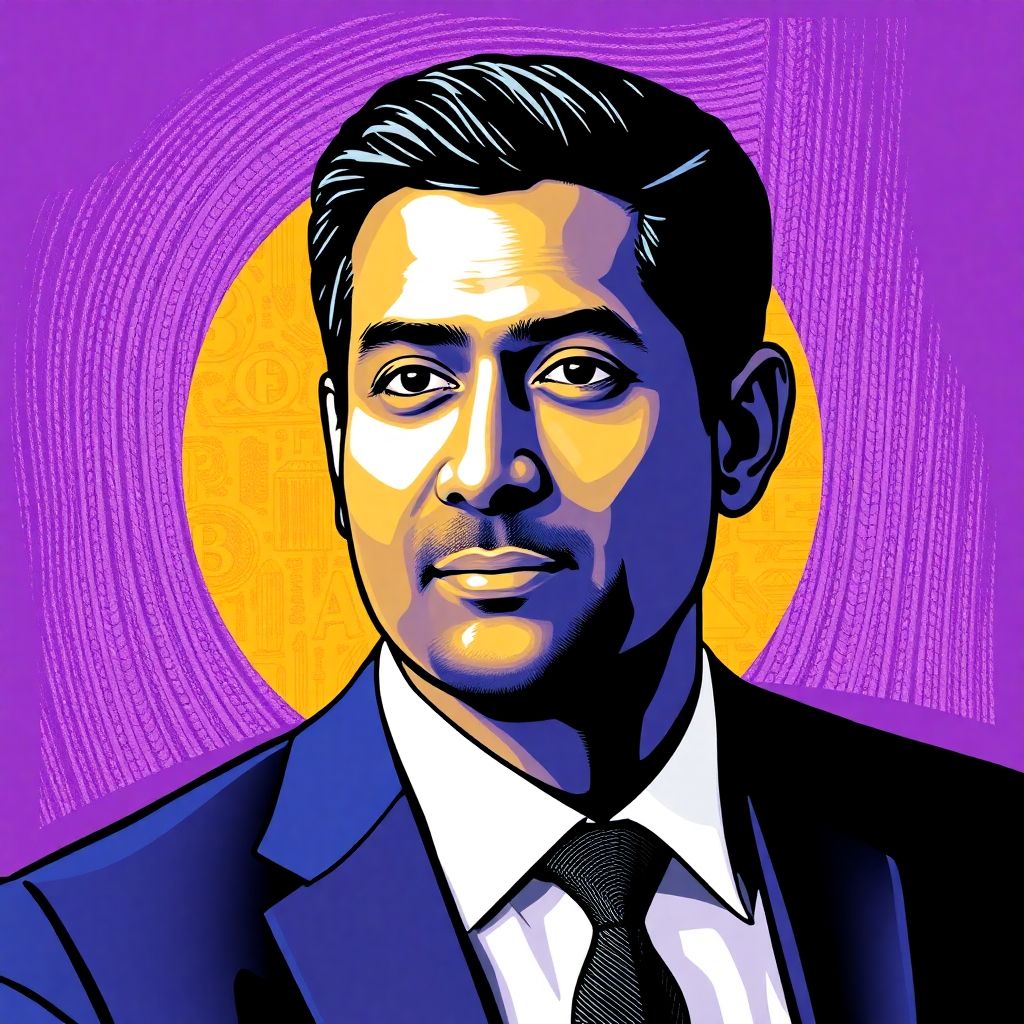
Democratic Representative Ro Khanna of California has proposed a sweeping measure that would prohibit elected officials from owning, trading, or launching cryptocurrencies. His call for reform was reignited following former President Donald Trump’s pardon of Changpeng “CZ” Zhao, the founder of Binance, one of the world’s largest crypto exchanges.
During an appearance on MSNBC’s “Morning Joe,” Khanna criticized Trump’s decision as a striking example of government corruption. “This is blatant corruption,” Khanna stated. “You don’t need to be an expert in crypto to recognize what happened here. A foreign billionaire, implicated in money laundering and accused of directing funds to groups like Hamas and Iran, was pardoned. That should alarm everyone.”
While Khanna’s outrage was clear, he misstated a key fact, erroneously claiming Zhao served four years in prison. In reality, Zhao had pleaded guilty to violating U.S. anti-money laundering laws and agreed to step down from his executive role at Binance. He was sentenced to a shorter term and fined as part of a settlement with the U.S. Department of Justice.
Khanna’s proposed legislation aims to eliminate financial conflicts of interest among lawmakers by banning them from engaging in crypto-related financial activities. This move mirrors previous efforts to restrict stock trading among members of Congress, a hot-button issue fueled by several high-profile cases of insider trading allegations.
According to Khanna, the unique nature of cryptocurrencies—many of which can be anonymously created and traded—makes them particularly vulnerable to misuse by public officials. “We cannot allow elected representatives to influence policy while secretly profiting from the very technologies they’re supposed to regulate,” he said.
The proposal comes amid growing scrutiny of the intersection between politics and digital currencies. Over the past few years, multiple lawmakers have either disclosed holdings in crypto assets or supported blockchain-related legislation. Critics argue that this dual role creates a dangerous conflict of interest, especially given the speculative nature of digital currencies and the lack of comprehensive regulation in the sector.
Khanna’s legislative push also reflects a broader anxiety within the Democratic Party over the influence of crypto wealth in Washington. While some lawmakers view blockchain innovation as a driver of future economic growth, others worry that the lack of transparency and potential for abuse could erode public trust in both markets and government institutions.
In recent months, crypto lobbying has surged, with major exchanges and blockchain companies spending millions to shape favorable regulation. Khanna’s proposal could be seen as an attempt to push back against the growing influence of the crypto industry in the political arena.
The bill is expected to face significant opposition, particularly from lawmakers who are either supportive of the crypto industry or skeptical of overregulation. Critics of Khanna’s plan argue that a complete ban on crypto ownership by elected officials may be overly broad and could discourage knowledgeable professionals from entering politics.
Despite anticipated pushback, Khanna remains firm. “We must establish clear ethical boundaries,” he said. “The public deserves to know that their leaders are acting in the nation’s best interest, not padding their own crypto wallets.”
This is not Khanna’s first foray into ethics reform. He has previously supported legislation to ban congressional stock trading and has called for stricter transparency around political donations from corporate entities.
The conversation around crypto regulation in Washington has become increasingly urgent as digital assets grow more integrated into traditional financial systems. The collapse of several major crypto platforms, widespread scams, and high-profile prosecutions have raised alarm bells about the need for stricter oversight.
Khanna’s proposal could mark a turning point in how the U.S. government approaches ethical standards for public servants in the digital age. If passed, the legislation would set a precedent, requiring lawmakers to divest from crypto holdings and refrain from participating in any blockchain-related financial ventures during their term in office.
The bill also raises broader questions about how emerging technologies intersect with governance. As innovations like decentralized finance, stablecoins, and tokenized assets reshape financial markets, the need for ethical guardrails becomes even more pressing.
In addition to banning crypto trading, Khanna has suggested creating an independent ethics body capable of auditing lawmakers’ financial portfolios in real-time. This could prevent undisclosed crypto investments or the misuse of inside information to profit from market movements.
Furthermore, the legislation may include provisions to prohibit the use of crypto for campaign contributions, a growing trend that some watchdog groups believe opens the door to foreign influence and financial opacity.
Khanna’s initiative could also inspire similar efforts at the state level. Several state legislatures have already introduced or passed rules requiring public officials to disclose their digital asset holdings. A federal law would standardize these efforts and close existing loopholes.
In the long term, Khanna’s bill may help restore public confidence in both the government and the crypto ecosystem—demonstrating that innovation and accountability can coexist.
Whether or not the legislation gains traction, it has already ignited a critical debate on the ethical responsibilities of lawmakers in an increasingly digital financial world. As cryptocurrencies continue to evolve and become more mainstream, the need to address their impact on political integrity becomes impossible to ignore.