
Teacher Arrested for Clapping at AI Data Center Hearing Signals Rising Local Backlash
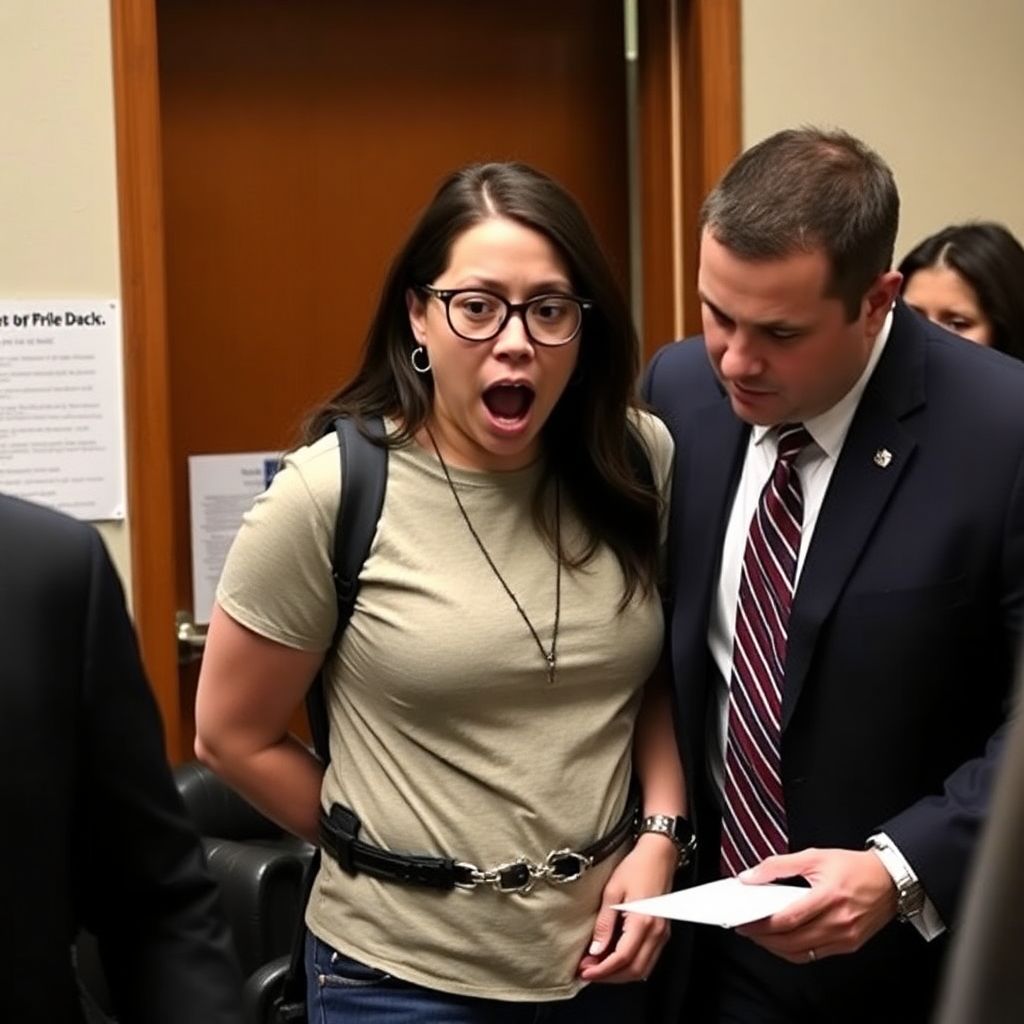
A routine city commission meeting in Emporia, Kansas, turned into a flashpoint over public participation and the rapid spread of artificial intelligence infrastructure, after a high school teacher was handcuffed and removed from the room-for clapping.
According to local reports, Lux Claridge, a physics teacher at Emporia High School, was arrested during a public hearing on a proposed AI data center project known as the Flint Hills Digital Campus. The development, pitched as a 1,000‑acre technology hub, has drawn mounting criticism from residents concerned about its environmental footprint, energy use, and potential impact on the local community.
Claridge was taken into custody after applauding several times in support of a speaker who criticized the project. Before the hearing began, city officials had warned attendees that visible or audible reactions-such as clapping, snapping, or other displays-would be treated as disruptions to the proceedings.
Despite those instructions, when Claridge joined others in clapping for a critical comment, the commission issued multiple warnings. After what was described as a “final warning,” officers moved in, handcuffed the teacher, and carried him out of the meeting while the session continued.
Speaking afterward, Claridge described the incident as inconvenient but not intimidating. After posting bail, he said the arrest would not stop him from voicing concerns-or from applauding others who do. In his view, expressing approval in a public forum is part of normal democratic engagement, not a criminal act.
The confrontation encapsulates a broader tension emerging across the United States as AI data centers, cloud facilities, and high‑density computing campuses race to keep up with demand for machine learning and generative AI tools. These facilities require enormous amounts of power and, often, significant water for cooling. They also tend to seek generous tax incentives, infrastructure upgrades, and zoning changes from local governments.
For supporters, projects like the Flint Hills Digital Campus represent economic opportunity: construction jobs, new permanent technical positions, and the chance to position smaller cities as players in the digital economy. Backers often highlight increased tax revenues over time, the potential draw for other tech companies, and the symbolic value of being seen as “future‑ready.”
Critics, however, are raising an expanding list of concerns. In many communities, residents worry about:
– Strain on already stretched electrical grids
– Massive water usage in areas facing drought or long‑term climate stress
– Industrial noise and light pollution from 24/7 operations
– Displacement of farmland or open space
– Unclear long‑term economic benefits if facilities automate heavily and hire relatively few local workers
In the Emporia case, opponents of the Flint Hills Digital Campus have questioned the scale of the project-1,000 acres is not a small footprint-and whether the city is moving too quickly without fully studying environmental and infrastructural impacts. Some have raised alarms about who ultimately pays for necessary grid upgrades, road improvements, or water system expansions.
The arrest of a local teacher added another layer: concerns about how public meetings are managed and whether strict decorum rules are being used to stifle visible dissent. While many city bodies do set limits on clapping and vocal reactions to keep meetings orderly, critics argue that enforcing those rules to the point of arrest crosses a line, particularly when the conduct is nonviolent and brief.
Civil liberties advocates frequently point out that public hearings are one of the few direct channels residents have to respond to major decisions that can reshape their communities for decades. When applause is categorized as disruption, they argue, the bar for what counts as acceptable participation becomes unreasonably narrow.
Emporia is far from alone. Across the country, proposals for AI and cloud data centers have triggered contentious debates. In some regions, projects have been delayed, scaled back, or canceled altogether after local pushback. Common flashpoints include:
– Requests for large tax abatements or special economic zones
– Secrecy around corporate partners or end‑users of the data centers
– Unclear commitments on renewable energy sourcing
– Lack of binding guarantees on job creation or local hiring
– Limited environmental review, or reliance on outdated impact studies
The Flint Hills Digital Campus controversy fits this pattern: a large, technically complex project, pitched as a forward‑looking investment, landing in a community that must weigh promised benefits against long‑term risks. The visible presence of a science teacher among the project’s critics also complicates a familiar narrative that opposition to technology stems from a lack of understanding. Claridge’s role as a physics educator undercuts that assumption and suggests that skepticism often arises from informed scrutiny rather than fear of innovation.
At the heart of the story is a collision between two timelines. On one side is the accelerated pace of AI development: companies racing to build or lease more compute capacity, and municipalities eager to attract those dollars before some neighboring city does. On the other side is the slower, more deliberative rhythm of local democracy, where residents expect time to ask questions, demand studies, and reach some broad sense of consent-or at least informed acceptance.
Incidents like Claridge’s arrest are likely to become symbolic touchstones in this emerging conflict. Supporters of stricter meeting rules may argue that enforcing decorum is essential to prevent chaos and ensure all voices are heard without interruption. Opponents counter that over‑policing mild, supportive gestures chills participation, especially among those who already feel their concerns are marginalized.
There is also a deeper question about what kind of civic culture communities want as they confront complex technological change. If residents see neighbors being led out in handcuffs for brief, peaceful displays of support, some will hesitate to attend future meetings, speak at the podium, or even show up at all. That erosion of engagement can, in turn, make it easier for major projects to advance with minimal scrutiny.
Conversely, local governments that proactively create space for robust, if sometimes uncomfortable, debate may find that contentious hearings ultimately produce more resilient decisions. Thorough environmental and economic assessments, transparent negotiations over incentives, and clear mechanisms for accountability can slow projects in the short term but reduce long‑term backlash.
In Emporia, the immediate outcome is straightforward: a teacher now faces legal consequences for what many would consider a modest act of solidarity. The longer‑term consequences-for the Flint Hills Digital Campus, for public trust in city leadership, and for how future hearings are conducted-are still unfolding.
What is clear is that the scramble to build the physical backbone of AI is no longer a quiet, back‑office process. It is moving into city halls, neighborhood meetings, and public hearing rooms, where residents like Lux Claridge are insisting that the communities hosting this new infrastructure have a meaningful say in how, where, and on what terms it arrives.