
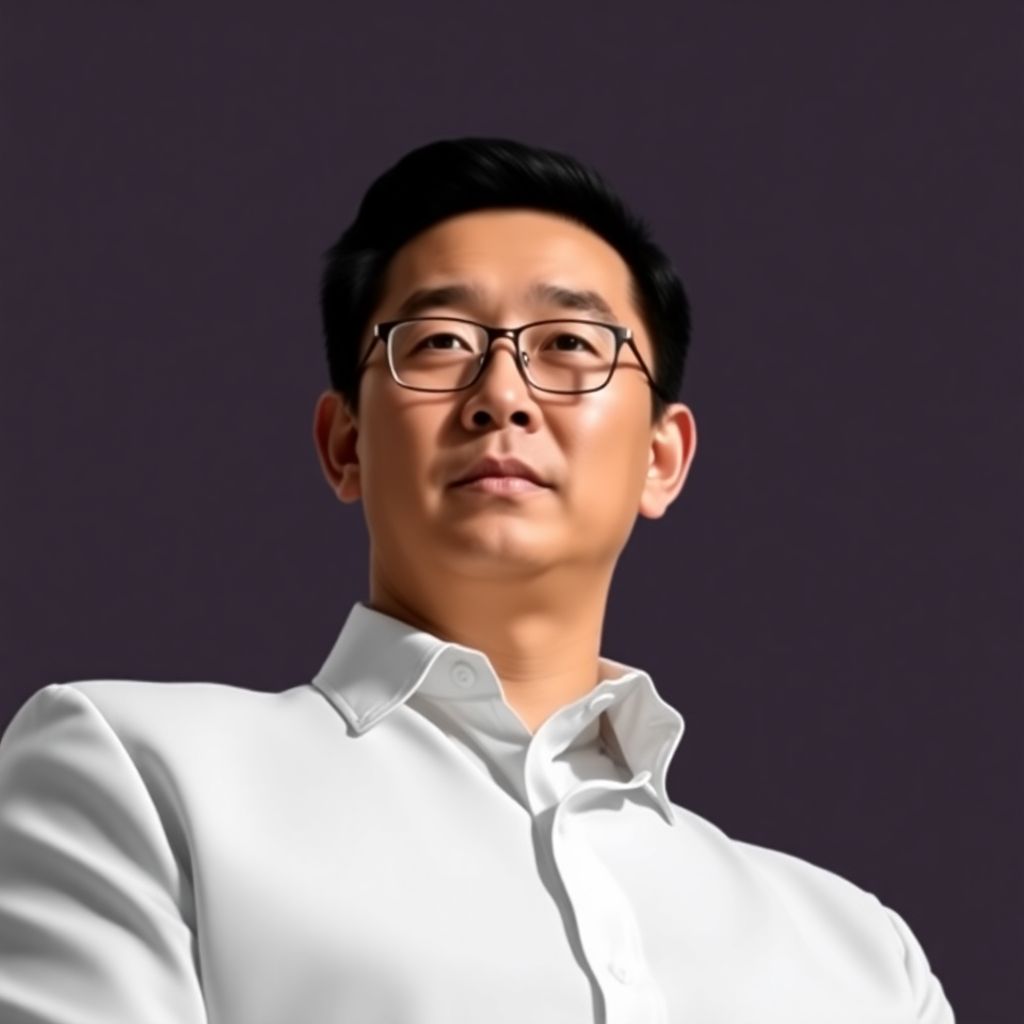
Changpeng Zhao, the founder and former CEO of Binance, said he was taken aback by the news of receiving a presidential pardon from Donald Trump, emphasizing that he has no personal or business connections to the Trump family or their cryptocurrency initiative, World Liberty Financial.
In a recent statement, Zhao clarified that although his legal team had submitted a request for clemency back in April, he had received no prior indication that the pardon would be granted. “I had no expectations and no inside information. It came as a complete surprise,” Zhao noted. He added, “This marks the closing chapter of this legal ordeal for me. I’m grateful for the opportunity to move forward.”
Responding to speculation about potential backdoor arrangements with Trump allies, Zhao firmly denied any such involvement. “There were no negotiations, no backroom deals. Binance, myself, and World Liberty Financial have never had any business ties whatsoever,” he said, calling the rumors “entirely unfounded.”
Zhao confirmed that he has never met Donald Trump personally and only briefly encountered Eric Trump at the Bitcoin MENA conference in Abu Dhabi. Trump himself also stated that he doesn’t personally know Zhao. “I know nothing about it. My sons are into it. I’m glad they are,” Trump remarked when asked about the pardon.
The U.S. Department of Justice had previously charged Zhao in November 2023 with violating anti-money laundering (AML) and sanctions regulations. According to DOJ statements, Binance deliberately circumvented U.S. laws while aggressively targeting American users, thereby posing risks to national security and the integrity of the financial system.
Zhao pled guilty to the charges, becoming the first known individual in U.S. history to receive a prison sentence for a single non-fraud-related financial violation as a first-time offender. Explaining his decision to plead guilty, Zhao said, “I thought facing the issue directly was the best course of action. I came to the U.S. voluntarily from a country without an extradition treaty. I wanted to address this head-on.”
Despite his legal troubles, Zhao maintained that he had no affiliation with World Liberty Financial, an entity reportedly linked to members of the Trump family. Media outlets speculated that Binance may have sought to leverage a deal with World Liberty to secure Zhao’s pardon after Trump’s election victory, but Zhao categorically denied these reports, calling them “false in every regard.”
Zhao’s case has highlighted ongoing tensions between U.S. regulators and global cryptocurrency platforms. Binance, once the largest crypto exchange globally, has faced scrutiny for its lack of compliance with American regulatory frameworks. U.S. authorities accused the platform of knowingly allowing illicit transactions and failing to implement robust compliance systems.
The controversy surrounding Zhao’s pardon has also reignited debate over the politicization of executive clemency. Critics argue that pardons should be based strictly on legal merit and rehabilitation, not political affiliations or lobbying. However, legal experts note that presidential pardons are constitutionally broad and can be granted at the discretion of the president without explanation.
Meanwhile, the crypto industry continues to evolve amid shifting regulatory landscapes. Binance has since overhauled its compliance infrastructure and appointed new leadership in an effort to rebuild trust with regulators and users alike. Zhao, though no longer at the helm, remains a prominent figure in the crypto community and says he plans to focus on education and responsible development within the blockchain space.
The case has also prompted discussions on how regulatory clarity can foster innovation without compromising security. Legal analysts suggest that a global framework for crypto regulation could help prevent future conflicts between exchanges and national governments.
Additionally, Zhao’s situation has drawn attention to the complexities of crypto-related prosecutions. While fraud and financial crime remain key concerns, Zhao’s case was unique in that it involved procedural violations rather than direct fraud or theft. This distinction has sparked debate over proportionality in sentencing and the need for nuanced approaches in crypto-related law enforcement.
As the dust settles, questions remain about how Binance—and Zhao himself—will navigate the future. Will Binance regain its dominant position in the market? Will Zhao maintain a public role in crypto innovation, or step back entirely? For now, Zhao says his focus is on the road ahead. “I’ve learned a lot through this process. I’m committed to pushing the industry forward in a responsible, transparent way.”
In the broader context, Zhao’s pardon also underscores the growing intersection of cryptocurrency and politics. As crypto becomes increasingly mainstream, its influence on policy, regulation, and even electoral politics is only likely to intensify. With figures like Trump engaging—directly or indirectly—in crypto-related decisions, the coming years may see digital assets play a larger role in political discourse.
For now, the crypto world watches closely, as one of its most influential leaders turns a controversial chapter and prepares for what comes next.