
Heather Morgan, more widely known by her rap alias “Razzlekhan,” is preparing to reenter the public eye with a new music release as she nears the end of her 18-month prison sentence. Convicted in 2024 for laundering over 119,000 stolen Bitcoin from the infamous 2016 Bitfinex hack—a haul now valued at over $11 billion—Morgan is currently under supervised release by a residential reentry office in Sacramento. Her official release date is set for December 28.
Despite her legal troubles, Morgan has remained creatively active. Her upcoming single, reportedly titled “Turki$h Martha,” is set to drop this Friday. The track gained unexpected popularity during her time at the Victorville Federal Correctional Institution, where both staff and fellow inmates frequently requested performances. Morgan described the song in a tweet, noting that it was a prison favorite and hinting at plans to release a clean version through inmate-accessible platforms.
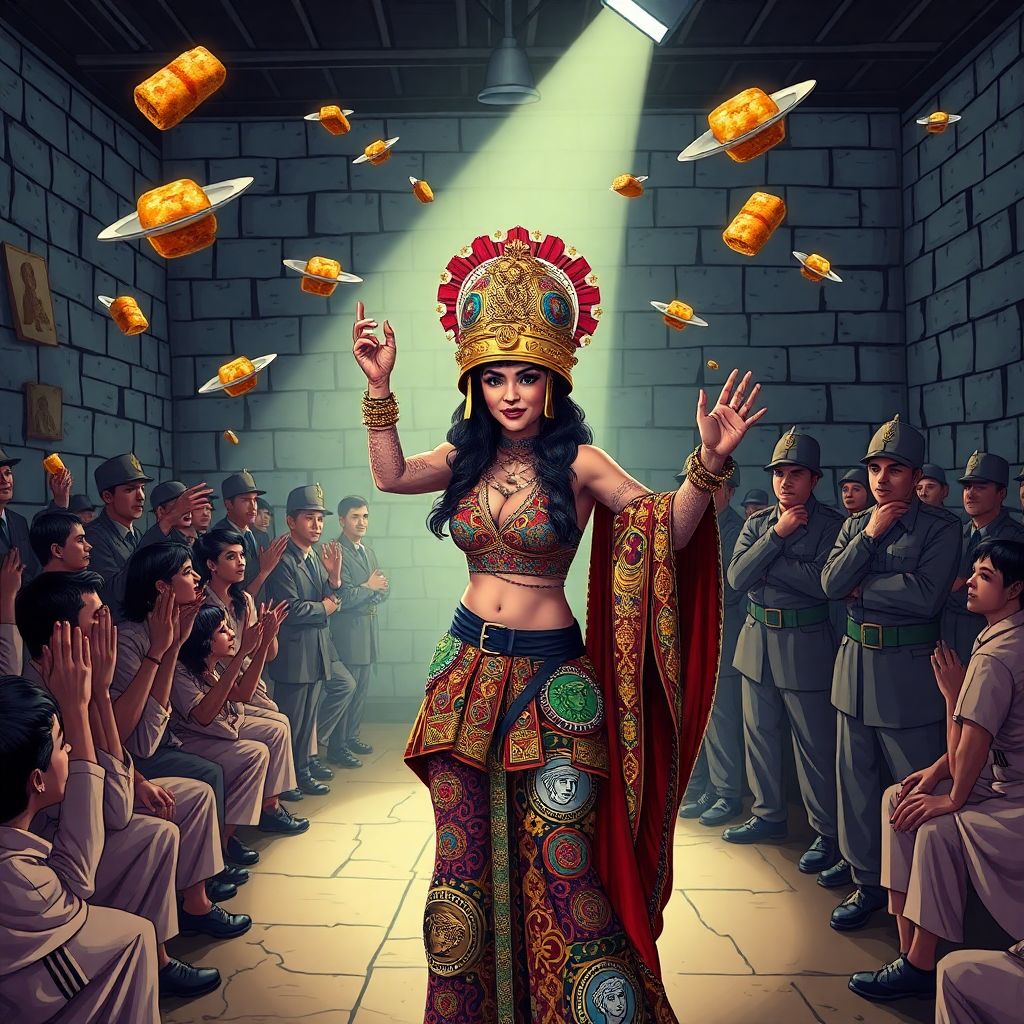
In a snippet circulating online, Morgan performs in a flamboyant Ottoman-style helmet, staying true to the eccentric aesthetic that made her pre-arrest persona go viral. The lyrics are as unconventional as ever, mixing culinary references with irreverent humor and brash self-assertion. Lines like “just baklava, f**k cake” and “inverse twerk” echo the offbeat, provocative style that earned her the nickname “the crocodile of Wall Street.”
Morgan’s online identity before her 2022 arrest was already a peculiar blend of tech entrepreneurship, international travel, fashion blogging, and amateur rap. She documented adventures in countries including Turkey, Japan, South Korea, Egypt, and Hong Kong, often blending cultural motifs into her content. Her time in Turkey, where she studied at Bilkent University in Ankara through an exchange program, appears to have influenced the theme of her upcoming music.
Her alter ego, Razzlekhan, was self-described as “Genghis Khan with more pizzazz.” Viral videos from her pre-incarceration days showcased her rapping in eclectic outfits, referring to herself with titles like “Versace Bedouin” and performing in surreal, off-kilter visuals. These performances became a focal point of media fascination following her arrest, adding a bizarre, theatrical twist to an already dramatic crypto crime saga.
Morgan’s husband, Ilya Lichtenstein, also received a five-year sentence for his involvement in laundering the stolen crypto funds. During the trial, Lichtenstein confessed to being the sole perpetrator of the original hack, claiming that Morgan had no knowledge of the theft until much later. Nevertheless, she was found guilty of conspiracy to launder money and faced significant legal consequences.
Throughout 2023 and 2024, even as her sentencing loomed, Morgan continued to produce content. She uploaded a song expressing the emotional toll of impending incarceration and separation from her husband. She also maintained a profile on Cameo, branding herself as “crypto’s favorite felon,” where fans could purchase personalized video messages.
The announcement of Morgan’s new song has reignited public interest in her peculiar blend of crime, music, and digital culture. Many are curious whether her post-prison career will continue to embrace the same eccentricity or shift toward a more reflective tone. Judging from the playful and eyebrow-raising content of “Turki$h Martha,” it appears she’s leaning into her notorious image rather than shying away from it.
As she transitions back into civilian life, Morgan may face significant challenges in rebuilding her brand. However, given her flair for dramatics and resilience in maintaining a public persona even from behind bars, she may yet carve out a niche in the intersection of scandal, satire, and performance art.
Her situation also raises questions about the evolving role of internet fame in criminal rehabilitation. Can a person rebrand as an entertainer after being involved in one of the largest financial crimes in digital history? Will audiences embrace her as a reformed artist, or continue to view her through the lens of her past?
Moreover, the case of Morgan and Lichtenstein serves as a striking example of how cryptocurrency can be both a tool for innovation and a target for misuse. It also highlights the growing interest in personalities who exist on the fringes of legality and celebrity—a phenomenon amplified by platforms like TikTok, YouTube, and Instagram, where virality often overshadows moral character.
As the crypto world continues to evolve, figures like Razzlekhan remind us that digital fame and infamy are often two sides of the same coin. Whether her next phase will be defined by artistic merit or lingering notoriety remains to be seen. What’s clear is that Heather Morgan isn’t fading quietly into obscurity—she’s rapping her way back into the spotlight.