
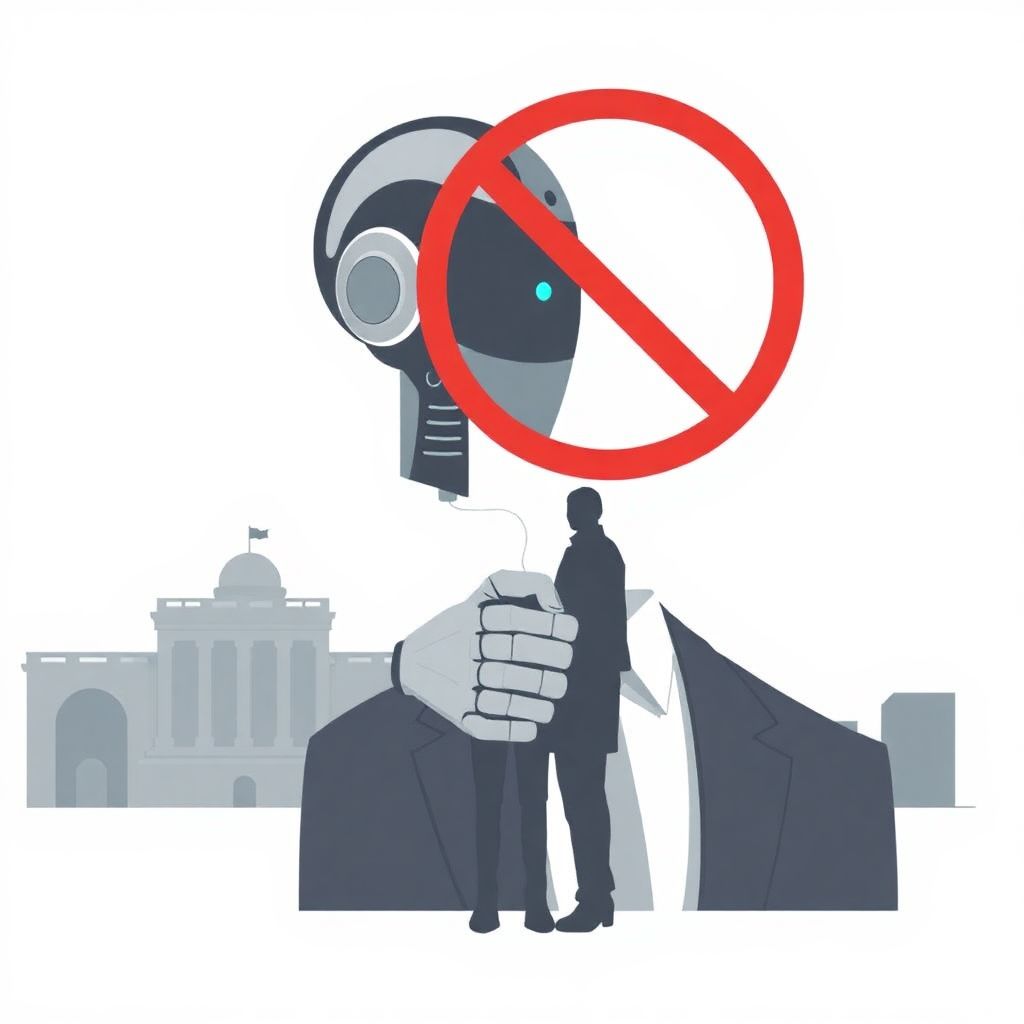
Ohio Lawmakers Seek to Ban AI-Human Marriages with New Legislation
In a move that underscores growing concerns over the evolving relationship between humans and artificial intelligence, Ohio legislators have proposed a bill that would formally prohibit the recognition of marriages or domestic partnerships between humans and AI systems. Introduced by State Representative Thaddeus Claggett, House Bill 469 aims to legally define AI systems as non-sentient entities, thereby making it impossible for them to be acknowledged as spouses, life partners, or any form of romantic companion under Ohio law.
While the concept may seem far-fetched to some, there is a rising number of individuals who are forming deeply emotional bonds with AI chatbots—relationships that in some cases mimic real-world romantic partnerships. These bonds can include virtual dating, weddings, and even the exchange of vows in online ceremonies. Although such unions are not legally binding in any U.S. jurisdiction, their increasing prevalence has prompted policymakers to take a firmer stance.
The legislation is a preemptive measure designed to address the ethical and societal implications of blurring the lines between human relationships and artificial constructs. According to Claggett, the bill is intended to protect the institution of marriage and prevent legal confusion that could arise as AI continues to develop more sophisticated conversational and emotional capabilities.
The rise of AI companions is largely fueled by the promise of constant availability, emotional support, and nonjudgmental interaction. AI chatbots can be customized to meet individual emotional needs, offering companionship to people who may be socially isolated or seeking an alternative to traditional relationships. However, critics argue that these interactions, while comforting, lack the mutuality and shared agency that define human relationships.
At the heart of the debate is the question of sentience. AI systems, no matter how advanced, operate based on algorithms and data inputs. They do not possess consciousness, self-awareness, or the ability to consent—factors that are legally and ethically crucial in any recognized partnership. By codifying the non-sentient status of AI, Ohio lawmakers aim to create clear boundaries that reflect these distinctions.
Supporters of the bill argue that it reinforces the importance of human connection and safeguards legal definitions that underpin family law. They also worry about the potential exploitation of vulnerable individuals who may form attachments to AI chatbots during times of emotional distress or loneliness. By offering the illusion of intimacy, critics warn, AI relationships could erode social norms and reduce motivation for real-world interpersonal engagement.
Opponents, however, view the bill as an unnecessary overreach. They argue that such legislation risks stigmatizing users of AI companionship tools, many of whom rely on them for mental health support or as coping mechanisms in the face of trauma, disability, or social anxiety. They also question whether the government should have a role in regulating personal relationships that do not involve legal rights or obligations, especially when no harm is being caused.
As AI continues to integrate into everyday life—from virtual assistants to mental health chatbots—the boundaries between machine and human interaction are becoming increasingly blurred. The Ohio bill signals a broader societal reckoning with these changes, as lawmakers attempt to balance technological innovation with long-standing cultural and legal traditions.
Beyond the legal implications, the conversation around AI-human companionship raises philosophical questions about the nature of love, consent, and emotional fulfillment. Can a one-sided relationship with a machine offer genuine comfort, or does it merely simulate connection without substance? These are questions that society must grapple with as technology advances.
Moreover, the bill could set a precedent for other states considering similar legislation. As AI becomes more humanlike in its ability to engage emotionally, more jurisdictions may feel compelled to draw legal lines that clarify the role of artificial entities in intimate human domains.
The legislation also highlights the need for AI developers to consider ethical guidelines when designing emotionally responsive systems. As chatbots become more capable of mimicking empathy and affection, developers must be cautious not to mislead users into believing these interactions equate to real emotional reciprocity.
In parallel, mental health professionals are beginning to examine the psychological effects of prolonged interactions with AI companions. While some users report improved mood and reduced anxiety, others may become overly reliant on these systems, potentially deepening feelings of isolation in the long term.
Ultimately, House Bill 469 is not just about banning marriages with chatbots—it’s about defining the boundaries of human identity in an age of machines that can talk, listen, and even appear to care. As society navigates this uncharted territory, the need for thoughtful legislation and public discourse becomes increasingly urgent.