
Philippine SEC doubles down on tokenization as sandbox experiments gain momentum
The Philippine Securities and Exchange Commission (SEC) is moving firmly in favor of real‑world asset (RWA) tokenization, signaling that it now sees digital asset innovation as compatible with the country’s existing regulatory framework. Four firms, including a project focused on tokenized real estate, are progressing through the regulator’s sandbox program as authorities simultaneously tighten their wider oversight of crypto activity.
Regulator says existing laws can handle tokenized assets
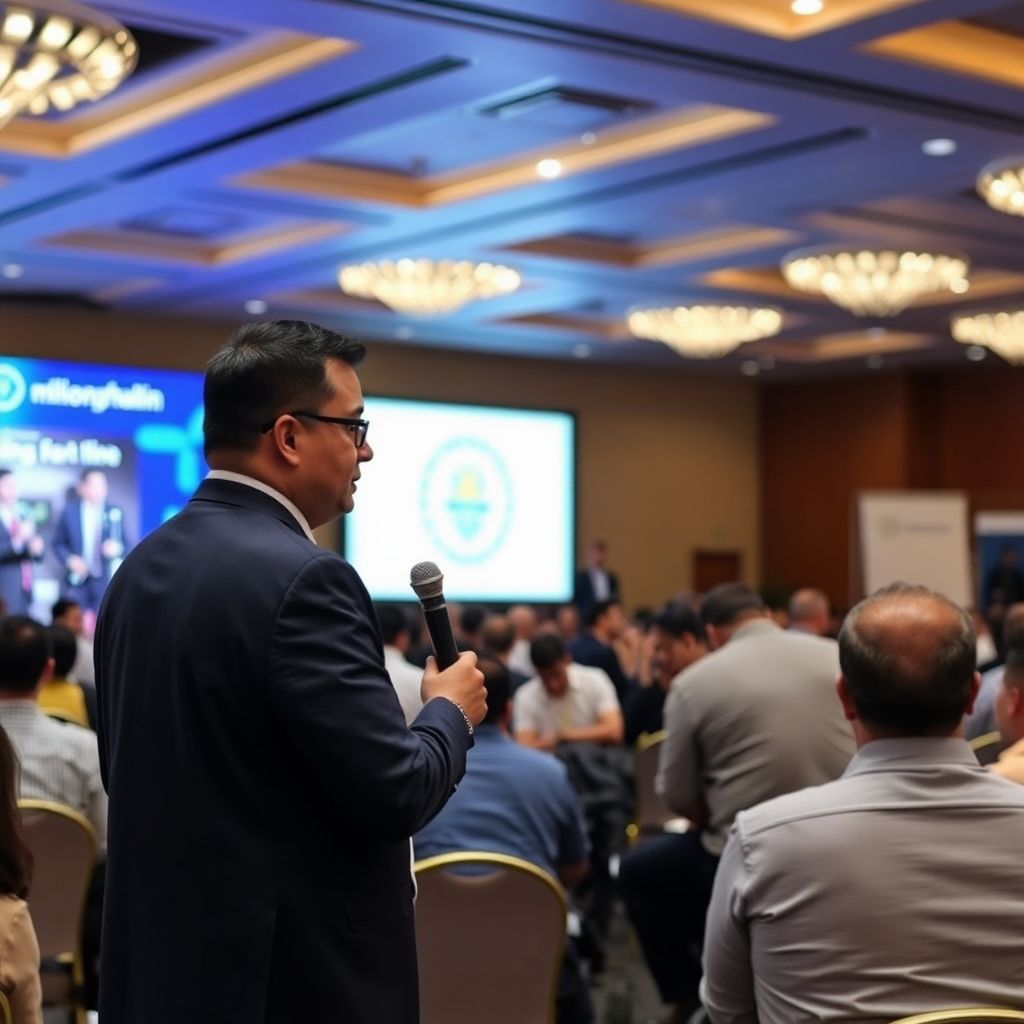
Speaking at Philippine Blockchain Week 2026, SEC Commissioner Rogelio Quevedo said the commission has reached a level of confidence that current securities laws and institutional rules are flexible enough to govern tokenized instruments.
According to Quevedo, the SEC’s assessment is that tokenization can open up entirely new channels for capital formation and trading, potentially reshaping how securities are issued, distributed, and exchanged. Rather than requiring an entirely new rulebook, he argued, the technology can be integrated into the current legal structure with carefully designed oversight.
Quevedo emphasized that regulators are no longer treating tokenized products as an untested outlier. Instead, they are increasingly being supervised as part of the mainstream financial system, subject to the same fundamental investor‑protection and market‑integrity principles that apply to traditional securities.
StratBox sandbox becomes central to tokenization push
This shift comes as the SEC broadens use of its StratBox regulatory sandbox, a controlled environment where financial technology firms can roll out experimental products and business models under watchful regulatory supervision.
Within StratBox, the commission can temporarily adjust or waive specific rules for individual participants to test how innovative services work in practice. These flexibilities may cover disclosure requirements, licensing conditions, or other compliance expectations that could hinder early-stage experimentation.
However, the SEC has been clear that sandbox entry is no shortcut around the law. Participation does not grant blanket exemptions from securities regulations, nor can companies use the sandbox as a shield to circumvent their existing legal responsibilities. Instead, the program is meant to be a structured bridge between innovation and compliance.
Four early movers test tokenized offerings
By November 2025, four companies had been admitted into StratBox. Among them, one firm is piloting a tokenized real estate offering, exploring how property‑backed tokens could be structured, distributed, and traded within a regulated framework.
Two other participants are investigating tokenized products designed to provide Philippine investors with access to United States equities. These initiatives could, in theory, enable smaller investors to buy fractionalized exposure to foreign stocks through regulated digital instruments instead of traditional brokerage channels.
The SEC also granted BlockShoals Technologies in‑principle approval to test crypto‑related products and services inside the sandbox environment. This indicates a willingness to work with digital asset service providers that can demonstrate robust compliance systems and a clear value proposition for the local market.
Tokenization as a tool for overseas Filipino workers
In a recent interview, Quevedo highlighted one specific use case the SEC is watching closely: tokenized investment products aimed at overseas Filipino workers (OFWs). Millions of Filipinos working abroad send money home, often accumulating modest but meaningful amounts of surplus capital.
Quevedo noted that many OFWs struggle to identify regulated, trustworthy investment channels. This vulnerability has made them prime targets for fraudulent schemes promising unrealistic returns. Properly supervised tokenized products, he suggested, could build a safer bridge between their remittances and legitimate investment opportunities.
For example, tokenized funds or fractionalized securities could lower minimum investment thresholds, allow diversification with smaller amounts, and provide transparent pricing. Coupled with investor education and strong consumer protection measures, tokenization could help OFWs move away from informal schemes and into regulated markets without raising barriers to entry.
AI‑driven enforcement against digital investment scams
While promoting innovation, the SEC is simultaneously ramping up its enforcement capabilities. Quevedo said the agency is increasingly deploying artificial intelligence tools to track, flag, and investigate questionable investment offerings across digital channels.
By scanning patterns in online promotions, website content, and user behavior, AI systems can help regulators detect potential scams earlier, even when they are rapidly rebranded or shifted across platforms. This is particularly relevant in a market where social media and short‑form video apps are routinely used to advertise unregistered investments.
The SEC is also coordinating with major internet platforms, including Google and TikTok, to identify and remove illegal or non‑compliant offerings that target Filipino users. This approach blends traditional enforcement with digital platform governance, aiming to cut off the visibility and reach of fraudulent schemes before they inflict widespread damage.
Central bank tightens rules for crypto service providers
As the SEC leans into tokenization under a capital markets lens, the Bangko Sentral ng Pilipinas (BSP), the country’s central bank, is raising the bar for virtual asset service providers (VASPs) that facilitate crypto trading and payments.
Under updated guidance, VASPs must conduct more rigorous due diligence before deciding which cryptocurrencies to list for customer trading. This goes beyond basic technical checks and requires a structured evaluation across several dimensions.
Exchanges are instructed to assess each digital asset’s issuer background, track record, and governance structure, as well as the asset’s maturity in the market, real‑world use cases, transparency and security standards, and liquidity profile. Legal and regulatory compliance in relevant jurisdictions must also be considered prior to onboarding a token.
These guidelines are intended to reduce the likelihood that local users are exposed to poorly designed, thinly traded, or outright fraudulent tokens, even as the broader ecosystem experiments with tokenization and new digital instruments.
Licensing remains a key gatekeeper
Licensing continues to be a central tool in the BSP’s regulatory approach. According to public statements cited by local reporting, neither Binance nor BlockShoals currently holds a VASP license in the Philippines, a prerequisite for any firm that wants to legally provide crypto payment or transaction services in the country.
This underscores a clear message to the industry: engaging with Philippine users in a meaningful way requires formal authorization and adherence to local rules. Even companies participating in the SEC’s sandbox on the capital markets side must still meet central bank licensing standards if their business intersects with payments, remittances, or other regulated financial services.
In practice, this dual oversight model – SEC for securities and capital markets, BSP for monetary and payment systems – aims to cover the full lifecycle of digital assets, from issuance and trading to settlement and use in everyday transactions.
How tokenized real estate could reshape local investment
The tokenized real estate project inside StratBox offers a window into how the Philippine property market could evolve. Traditionally, investing in real estate requires large upfront capital, familiarity with legal processes, and the ability to manage or liquidate property over time – hurdles that exclude many small investors.
By breaking a property or portfolio into digital tokens that each represent a fractional interest, tokenization could reduce entry costs and potentially increase liquidity, allowing investors to buy and sell fractions without needing to transact entire properties. Within a regulated environment, this model might be combined with clear disclosure of underlying assets, audited documentation, and standardized investor rights.
In the Philippine context, such systems could support urban redevelopment projects, commercial buildings, or even socialized housing initiatives, provided investor protections and governance structures are robust. For policymakers, the challenge will be to ensure that democratizing access does not open the door to speculative bubbles or misrepresentation of underlying assets.
Bridging traditional markets and tokenized products
Both the SEC and BSP appear to be converging on a strategy that treats tokenization as an extension of existing financial activity, rather than a separate universe. Exchanges and platforms that deal in tokenized versions of traditional assets – such as equities, bonds, or funds – will need to align with the same standards that apply to their non‑tokenized equivalents.
This convergence could ultimately simplify the investor experience. Over time, Philippine investors may interact with platforms where digital and traditional assets coexist, with differences in technology but not in the core regulatory expectations around disclosure, risk, suitability, and anti‑money‑laundering safeguards.
For institutions, tokenization could streamline back‑office processes, settlement, and record‑keeping. For retail users, it could translate into shorter settlement times, lower minimum investments, and more transparent ownership records, provided the infrastructure and legal recognition of digital asset registries continue to mature.
Balancing innovation, protection, and competitiveness
The Philippine approach illustrates a broader tension seen worldwide: how to foster cutting‑edge financial innovation without compromising consumer protection or macro‑financial stability. By using tools like StratBox, applying AI in enforcement, and tightening VASP requirements, regulators are trying to keep that balance.
If successful, the country could position itself as a competitive hub for tokenization and digital asset experimentation in Southeast Asia, particularly in niches like remittance‑linked products, OFW‑focused investments, and tokenized access to global markets.
However, much will depend on execution: whether sandbox lessons translate into clear, scalable rules; whether enforcement keeps pace with new scam tactics; and whether regulators can coordinate across agencies to offer clarity without stifling legitimate projects. For now, the SEC’s explicit embrace of tokenization – backed by the central bank’s more stringent crypto rules – suggests that the Philippines is choosing a path of cautious, supervised innovation rather than outright retreat from the digital asset space.