
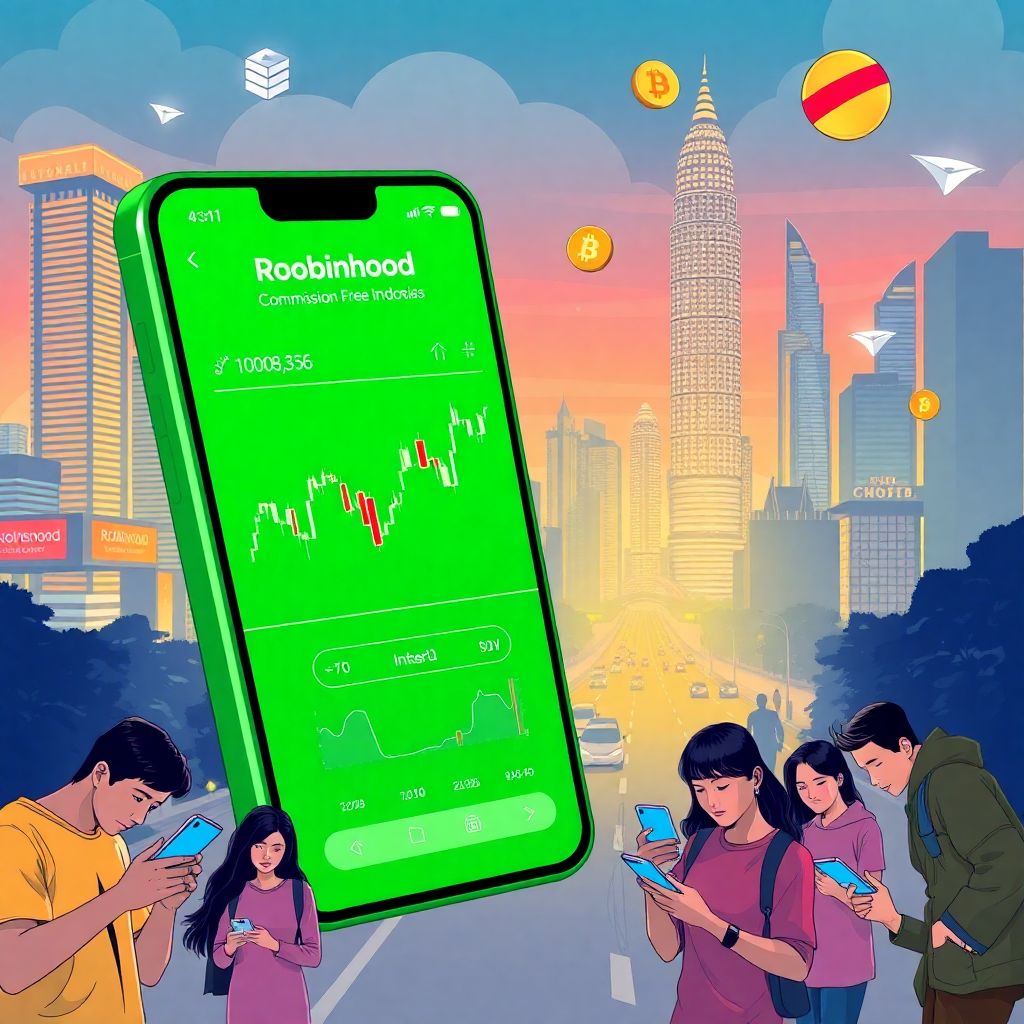
Robinhood Targets Indonesia as Next Major Growth Market Amid Crypto Boom
Robinhood Markets Inc. is preparing a significant expansion into Southeast Asia by moving to acquire two licensed financial firms in Indonesia, one of the world’s most active retail trading and crypto markets. The California-based brokerage is betting that a combination of rising digital asset adoption and a young, mobile-first population will make Indonesia a key pillar of its international growth strategy.
Under the proposed deals, Robinhood plans to purchase PT Buana Capital Sekuritas, a local securities brokerage, and PT Pedagang Aset Kripto, a licensed crypto trading platform. Together, these acquisitions would give Robinhood a ready-made regulatory and operational foundation in Indonesia’s tightly supervised financial sector, covering both traditional securities and digital assets under local law.
The company said in a statement that the transactions are expected to close in the first half of 2026, subject to customary closing conditions and regulatory approvals. When asked how Robinhood intends to run or integrate the two businesses during the transition, a spokesperson declined to provide operational details, noting only that there were “no further integration plans to share” at this stage.
Why Indonesia Is on Robinhood’s Radar
Indonesia has quietly become one of the most dynamic crypto markets in the world. The country counts tens of millions of retail investors, with crypto ownership rates among the highest globally relative to population. For a large share of Indonesians, digital assets are not simply speculative instruments; they are seen as alternative investment vehicles and, increasingly, as part of everyday payments and savings behavior.
Several structural factors make Indonesia particularly attractive for a platform like Robinhood: a young demographic profile, high smartphone penetration, widespread use of digital wallets, and a rapidly growing middle class with appetite for online financial services. Retail participation in both equity and crypto markets has surged over the last few years, turning investment apps into mainstream consumer products rather than niche tools.
From Robinhood’s perspective, this environment closely mirrors the conditions that fueled its rise in the United States: small-ticket trading, mobile-first behavior, and a user base that is comfortable making financial decisions through apps rather than traditional banks or brokers. By securing licensed entities early, Robinhood is positioning itself to capture that momentum as more Indonesians move from basic saving into active trading and investing.
Entering a Market With Tightening Rules
Robinhood’s move comes at a time when Indonesia is steadily tightening oversight of digital finance. Authorities have introduced stricter licensing regimes for crypto exchanges and brokers, more comprehensive reporting requirements, and clearer consumer protection rules. Rather than trying to enter the market via an unlicensed or lightly regulated route, Robinhood is choosing to buy its way into an existing, compliant structure.
PT Buana Capital Sekuritas holds a brokerage license that enables it to operate in Indonesia’s capital markets under the supervision of local regulators. PT Pedagang Aset Kripto, meanwhile, is already authorized to facilitate crypto trading under Indonesia’s digital asset framework. Acquiring both gives Robinhood a dual-channel entry: it can offer exposure to stocks and other traditional instruments alongside regulated access to cryptocurrencies.
In a landscape where regulators are increasingly wary of speculative excess and consumer harm, aligning with licensed players is strategically vital. Robinhood, which has already navigated intense regulatory scrutiny in its home market, appears eager to emphasize compliance and risk controls rather than pursue rapid, unregulated growth.
Advancing the “Democratize Finance” Mission
In its announcement, the company framed Indonesia as a “fast-growing market for trading” and highlighted the country as a compelling arena to advance Robinhood’s longstanding mission of “democratizing finance for all.” The core idea is to give retail customers low-friction access to tools and markets that were once largely reserved for wealthier or more sophisticated investors.
In practical terms, that typically means low or zero-commission trading, user-friendly mobile interfaces, fractional investing, and a blend of educational content alongside trading features. While Robinhood has not yet disclosed the exact product mix it plans to bring to Indonesian users, its global playbook suggests it will aim to reduce minimum investment thresholds and simplify market access for first-time investors.
For Indonesia, this model could accelerate the shift from informal saving—often in cash or simple bank deposits—toward more diversified portfolios, including equities, ETFs, and digital assets. However, it also raises familiar debates about whether ultra-accessible trading encourages responsible long-term investing or excessive short-term speculation.
Strategic Fit With Robinhood’s Global Expansion
The Indonesian push is part of a broader internationalization strategy as Robinhood seeks growth beyond a maturing U.S. market. After explosive early expansion driven by American retail traders during periods of meme-stock and crypto mania, the company now faces tougher competition, changing market conditions, and more demanding regulators at home.
By entering Indonesia, Robinhood taps into one of Asia’s most promising retail investor bases while also diversifying its geographic risk. Southeast Asia in particular is emerging as a battleground for global fintech and crypto platforms, with large populations under-served by traditional financial institutions yet highly receptive to digital services. An early beachhead in Indonesia can serve as a launchpad for deeper regional expansion over time.
What the Acquisitions Could Mean for Local Users
If the deals close as planned, Indonesian customers could eventually see a more integrated trading experience that combines local market access with Robinhood’s familiar app-driven interface and product design. Depending on regulatory approvals and product roadmaps, that might include:
– Commission-free or low-fee trading in local and potentially international equities
– Simplified crypto trading within a regulated framework
– Tools for small-scale or fractional investing
– A single mobile platform to manage both traditional investments and digital assets
However, the transition will likely be gradual. Integrating local systems, complying with Indonesian regulations, aligning risk controls, and adapting user experience to local preferences all take time. Robinhood will also need to navigate language, culture, and financial literacy differences, tailoring education and support to new investors whose needs may not mirror those of U.S. users.
Regulatory and Competitive Challenges
Indonesia’s regulators are walking a fine line: encouraging financial innovation and inclusion while guarding against fraud, market manipulation, and excessive risk-taking. For Robinhood, operating under this regime will require robust compliance infrastructure, transparent communication with users, and careful product design that meets local standards on suitability and disclosure.
At the same time, the company will be entering a market where several homegrown and regional platforms already compete for retail investors. Local brokers and crypto exchanges have spent years building user bases, as well as relationships with regulators and financial institutions. Robinhood’s brand recognition and global experience are advantages, but they do not guarantee dominance in a market where trust, local support, and tailored features matter.
Pricing and incentives will also be closely watched. Aggressive fee cuts could benefit consumers but may invite scrutiny if they appear to encourage overly risky trading behavior. How Robinhood balances growth ambitions with sustainable, responsible product strategies in Indonesia will shape its reputation with both users and regulators.
Implications for Indonesia’s Crypto and Investment Ecosystem
Robinhood’s arrival would add another high-profile global name to Indonesia’s crypto and investment landscape, which could have several knock-on effects. It may push existing platforms to enhance their own offerings, from user experience and educational resources to product diversity and fee structures. Increased competition could, in turn, broaden access and lower costs for everyday investors.
At the ecosystem level, more sophisticated, regulated players entering the market can encourage institutional interest, attract talent, and accelerate development of supporting services—such as custody, analytics, compliance tech, and payment rails. This could help Indonesia solidify its status as one of the leading crypto and digital finance hubs in the region, especially if policymakers manage to maintain a balanced, innovation-friendly regulatory stance.
Yet the stakes are high. Rapid growth in retail participation, particularly in volatile assets like cryptocurrencies, comes with real risk of losses for inexperienced investors. The way platforms like Robinhood design educational tools, risk warnings, and default settings will influence whether the market matures in a healthy, sustainable direction or repeats boom-and-bust cycles that erode public trust.
Looking Ahead to 2026 and Beyond
With closing targeted for the first half of 2026, there is a long runway before Robinhood’s Indonesian vision fully materializes. During this period, the company must secure regulatory clearances, detail its integration strategy, and refine its product roadmap for local users. Market conditions for both equities and crypto may shift significantly over that timeframe, meaning flexibility will be essential.
If Robinhood successfully completes the acquisitions and navigates Indonesia’s regulatory and competitive terrain, it could gain a powerful foothold in one of Asia’s most dynamic retail markets. For Indonesian investors, the outcome will hinge on whether the firm’s entry expands access to markets in a way that is not only easy and affordable, but also transparent and responsible.
The expansion underscores a broader trend: the convergence of traditional brokerage services and crypto trading inside a single app experience. How Robinhood executes this strategy in Indonesia will be watched closely by other global players considering similar moves—and by regulators worldwide who are still defining the rules of the digital finance era.