
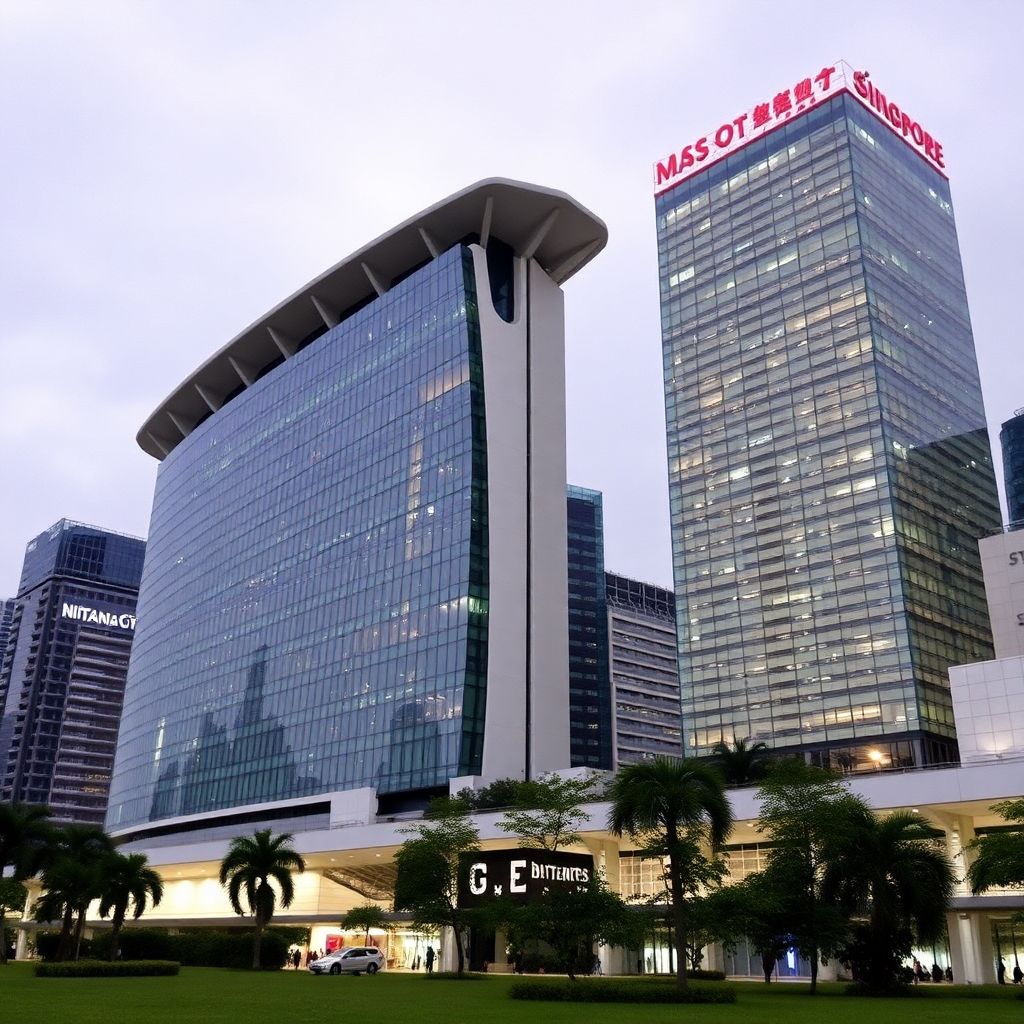
Singapore’s chief financial watchdog, the Monetary Authority of Singapore (MAS), has sounded the alarm over what it sees as excessive valuations in the artificial intelligence (AI) and technology sectors. In its latest Financial Stability Review, MAS cautioned that equity markets are showing signs of overheating, particularly in companies driven by AI innovations. The rapid surge in market valuations, the regulator noted, may not be supported by fundamentals, posing a risk of sharp corrections if investor sentiment shifts.
A key concern highlighted by MAS is the growing reliance of major tech firms—especially hyperscale cloud providers—on opaque and complex financing mechanisms. These non-traditional funding structures can obscure the true level of indebtedness and potentially magnify vulnerabilities in the system. According to the regulator, some of these private financing arrangements may even be circular in nature, raising the possibility of systemic feedback loops if market conditions deteriorate.
MAS underscored that much of the recent rally in global equity markets has been concentrated in AI-related assets, contributing to imbalances in investor exposure. The fear is that a sudden change in outlook or a disappointing earnings season could lead to a swift and painful correction, especially for retail and institutional investors heavily allocated to tech and AI portfolios.
This isn’t the first time concerns have been raised about an AI bubble. The explosion of enthusiasm following breakthroughs in generative AI, such as large language models and image synthesis tools, has fueled a rush of capital into the sector. Startups with minimal revenue but strong AI narratives have achieved billion-dollar valuations seemingly overnight.
The MAS report serves as a reminder that the current environment bears similarities to previous periods of irrational exuberance in financial markets. The dot-com bubble of the late 1990s, for instance, was characterized by lofty tech valuations, aggressive venture capital funding, and a collective belief that the new digital economy would rewrite business fundamentals. When expectations failed to materialize, the ensuing crash erased trillions in market value.
MAS is urging investors to exercise greater caution and conduct thorough due diligence before committing capital to AI ventures. The regulator also emphasized the importance of transparency, calling on companies to provide clearer disclosures about their financial structures, revenue models, and exposure to leverage.
Institutional investors, in particular, are being advised to review their asset allocation strategies. Those with significant exposure to AI and high-growth tech stocks should consider stress-testing their portfolios against scenarios involving interest rate hikes, regulatory intervention, or a slowdown in AI adoption.
The warning from Singapore’s financial authority comes amid broader global debates about the sustainability of AI’s meteoric rise. While the technology holds transformative potential across industries—from healthcare to finance and logistics—its commercialization remains uneven. Many AI companies are still in the experimental or early revenue stages, and profitability may be years away.
Furthermore, the cost of developing and maintaining cutting-edge AI models is substantial. Training large-scale models requires immense computational power, specialized talent, and access to massive datasets—all of which come at a premium. This raises questions about the long-term viability of smaller players and the risk of consolidation in the sector.
MAS also hinted at potential macroeconomic risks. A bursting of the AI bubble could ripple through credit markets, especially if tech firms default on obligations hidden within complex funding structures. The regulator is closely monitoring these developments and working with international counterparts to identify emerging systemic risks.
For retail investors, the message is clear: don’t get swept up in the hype. While AI may indeed be the cornerstone of the next technological revolution, valuation discipline and risk management are more important than ever. Diversification remains essential, and speculative investments should be approached with a clear understanding of the inherent risks.
On the policy front, MAS’s concerns may catalyze future regulatory measures. The authority has previously advocated for stronger oversight of fintech and digital assets, and AI could soon fall under more formal scrutiny. This could include new disclosure requirements, capital adequacy standards for tech firms engaging in lending or financial services, and cross-border cooperation to track systemic exposures.
In conclusion, while the AI sector continues to attract immense attention and investment, the Monetary Authority of Singapore’s warning is a timely reminder of the importance of financial stability in the face of rapid innovation. Investors, companies, and regulators alike must strike a balance between embracing technological progress and safeguarding against unsustainable market dynamics.