
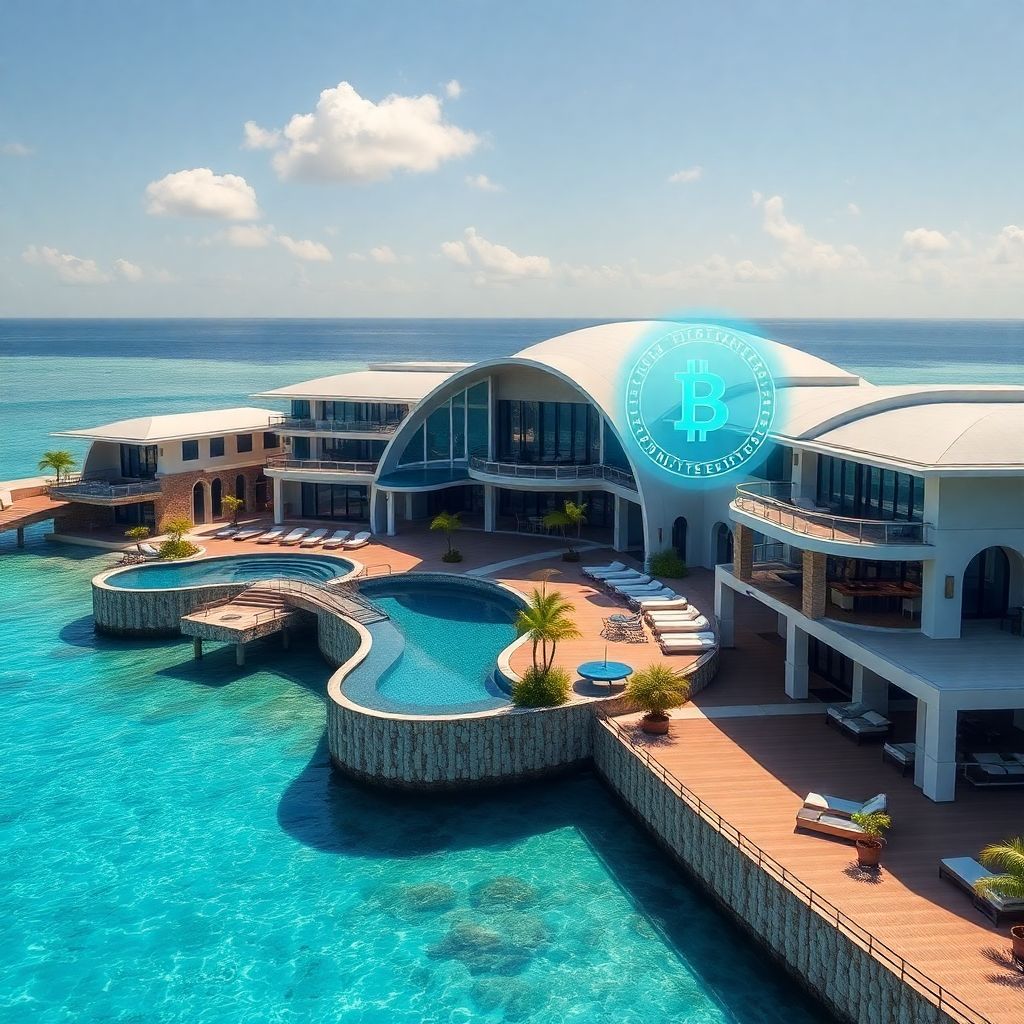
The Trump Organization, in partnership with luxury developer Dar Global, is launching an ambitious real estate initiative in the Maldives that merges high-end hospitality with blockchain technology. The upcoming Trump International Hotel Maldives will not only feature a lavish collection of 80 waterfront villas but also offer a groundbreaking opportunity for investors: tokenized real estate shares that allow individuals to participate financially in the development phase of the project.
Set for completion by the end of 2028, the resort aims to redefine luxury in one of the world’s most exclusive destinations. But beyond the upscale experience, what sets this project apart is its investment model. Through tokenization—a process that converts ownership rights in real estate into digital tokens on a blockchain—investors can buy fractional shares in the property. This opens the door for a broader range of stakeholders to access premium real estate markets that were traditionally available only to institutional or ultra-wealthy investors.
Eric Trump, Executive Vice President of The Trump Organization, described the venture as a fusion of luxury and innovation. “We are thrilled to introduce the Trump brand to the Maldives in collaboration with Dar Global,” he said. “This project is not only a milestone in luxury development but also establishes a new model for real estate investment through blockchain-based tokenization.”
Unlike many other tokenized real estate ventures that restrict investment opportunities to post-completion phases, this development allows token holders to engage from the early stages. Investors will be able to fund the construction and potentially benefit from the asset’s appreciation even before the resort becomes operational. This strategy introduces a more dynamic and potentially profitable model of real estate participation.
Dar Global, known for its high-end projects across Europe and the Middle East, emphasized that the tokenization model democratizes access to luxury real estate. By lowering the barrier to entry and allowing for fractional ownership, this initiative enables a more diverse investor base—from crypto enthusiasts to traditional investors seeking exposure to exotic property markets.
The Maldives, with its pristine beaches and crystal-clear waters, has long been a magnet for luxury tourism. Adding the Trump brand to this iconic location is expected to further enhance the country’s appeal to high-net-worth individuals. The resort will feature world-class amenities, private pools, panoramic ocean views, and bespoke concierge services, solidifying its status as a flagship property in the region.
The use of blockchain in real estate is not entirely new, but it has only recently begun gaining traction in luxury markets. Tokenization brings several advantages: enhanced liquidity, transparency, and faster transactions, all of which are particularly valuable in a sector often burdened by paperwork and long settlement periods. Blockchain also allows for immutable recordkeeping, reducing the risk of fraud or disputes over ownership.
Additionally, tokenized investments can be traded on secondary markets, giving investors flexibility to exit their position without going through the traditional, often cumbersome, property resale process. This added liquidity may attract a new wave of younger, tech-savvy investors who are more comfortable with digital assets than physical property.
From a regulatory standpoint, however, the model still faces challenges. Each jurisdiction has its own legal framework for real estate ownership and securities, and tokenized assets can fall into gray areas. It will be crucial for Dar Global and The Trump Organization to work closely with legal experts and regulators to ensure compliance and investor protection.
The Trump International Hotel Maldives is more than just a luxury resort; it’s a signal of how real estate investment is evolving in the digital age. By integrating blockchain technology into the heart of its financial strategy, the project offers a compelling case study for the future of high-value property development.
Looking ahead, this hybrid model of real estate and tokenization could become a blueprint for similar developments around the globe. As demand for fractional property investment continues to grow, especially among millennials and Gen Z investors, more developers may adopt token-based funding mechanisms to unlock capital more efficiently.
Moreover, the partnership between a traditional real estate giant like The Trump Organization and a forward-thinking developer like Dar Global suggests a growing acceptance of blockchain in mainstream business circles. This could pave the way for broader institutional adoption and eventually lead to a more integrated global market for real estate assets.
In summary, the Trump International Hotel Maldives represents a convergence of luxury, technology, and investment innovation. With its unique approach to fractional ownership and early-stage participation, it offers a glimpse into the future of real estate—where digital tokens may one day rival bricks and mortar in value and accessibility.